


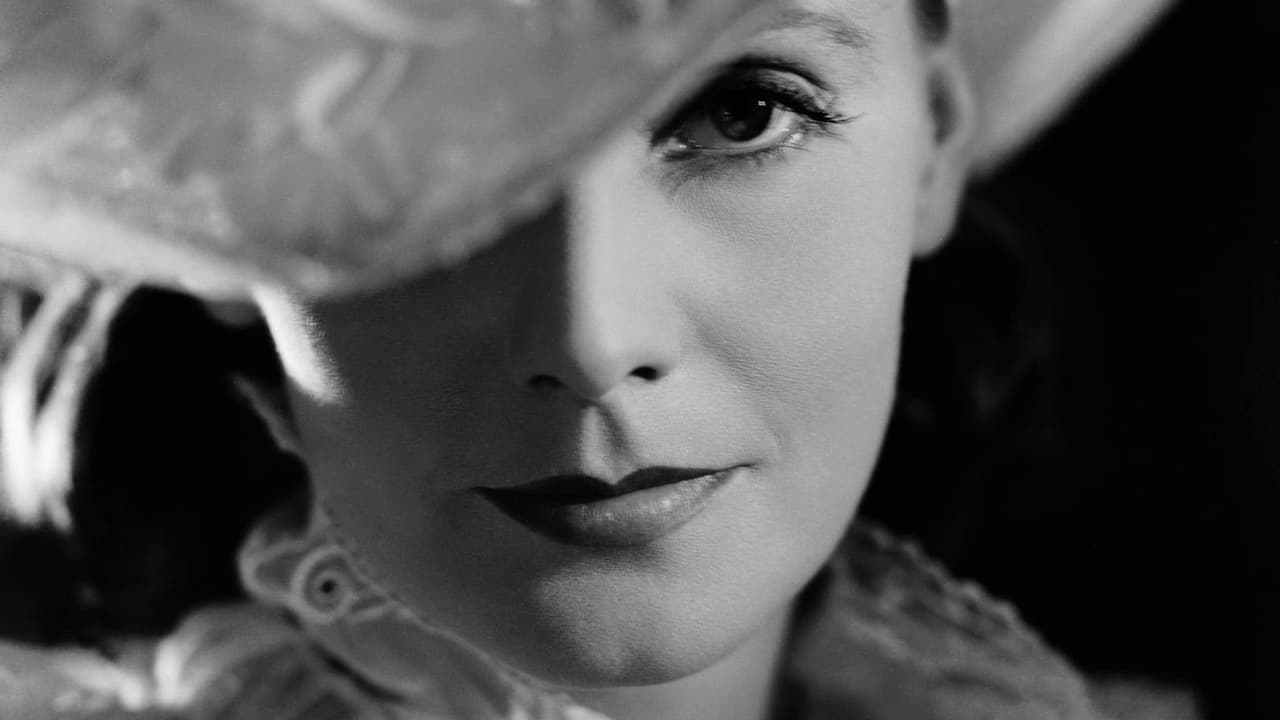
Anna Karenina
The married Anna Karenina falls in love with Count Vronsky despite her husband's refusal to grant a divorce, and both must contend with the social repercussions. This version of the Tolstoy classic li…
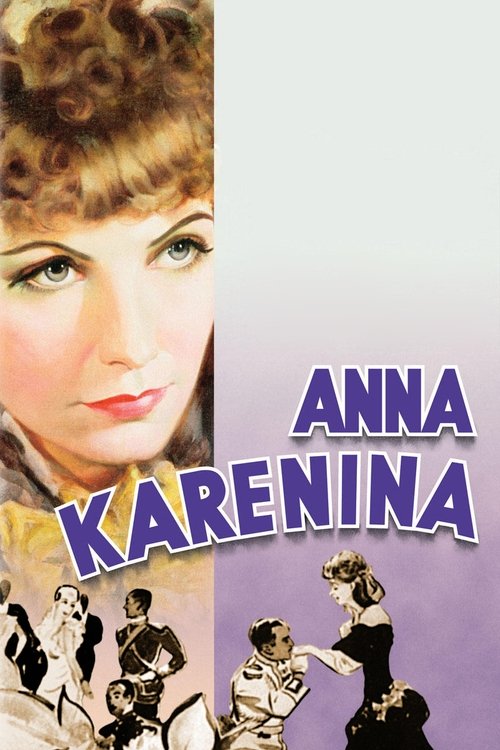
Anna Karenina
The married Anna Karenina falls in love with Count Vronsky despite her husband's refusal to grant a divorce, and both must contend with the social repercussions. This version of the Tolstoy classic lingers longer in Moscow during the weeks that follow the initial meeting of the starstruck lovers-to-be Vronsky and Anna Karenina. The story -- as it unfolds -- also focuses on Kitty, a young woman who is related to Anna's sister-in-law whose marital rift has brought Anna to Moscow. Until Anna shows up, Kitty had hopes of getting Vronsky, who is single and well connected, to propose to her. Ignored by Vronsky, Kitty turns her attention to another suitor, a man who seems to have a lot in common with Tolstoy. —Dale O'Connor <daleoc@interaccess.com> In Imperial Russia, the aristocratic Anna Karenina travels from Saint Petersburg to Moscow to visit her brother Stiva and she meets the cavalry officer Vronsky, who came with Stiva to the train station to welcome his mother. After a family reunion where Anna Karenina has a conversation with her sister-in-law Dolly to help to save Stiva's marriage, Anna is invited to stay for the ball. Anna Karenina is courted by Vronsky, but she decides to return to Saint Petersburg to her loveless marriage because of her beloved son Sergei. However Vronsky follows her and she introduces him to her husband Karenin at the train station. Vronsky woos her and soon they have a doomed love affair that will lead Anna Karenina to a tragic fate. —Claudio Carvalho, Rio de Janeiro, Brazil Anna Karenina, dutiful wife and doting mother, knows contentment but not passion. That changes when she meets ardent Count Vronsky. For him, she throws away marriage, family, social position... and finally her life. Leo Tolstoy's novel receives sumptuous treatment in David Selznick's production. The cast - including Fredric March (as Vronsky), Basil Rathbone, Maureen O'Sullivan and Freddie Bartholomew -- is stellar under the direction of Clarence Brown. But the soul of the film is Greta Garbo in nuanced performance that won the New York Film Critics Best Actress Award. At the height of her art, Garbo is unforgettable as a woman helpless in love's thrall and heartbroken at the loss of her son. Her final scene will haunt you —wxjuh
Anna Karenina
Drama,Romance
Film Details
The married Anna Karenina falls in love with Count Vronsky despite her husband's refusal to grant a divorce, and both must contend with the social repercussions. This version of the Tolstoy classic lingers longer in Moscow during the weeks that follow the initial meeting of the starstruck lovers-to-be Vronsky and Anna Karenina. The story -- as it unfolds -- also focuses on Kitty, a young woman who is related to Anna's sister-in-law whose marital rift has brought Anna to Moscow.
Until Anna shows up, Kitty had hopes of getting Vronsky, who is single and well connected, to propose to her. Ignored by Vronsky, Kitty turns her attention to another suitor, a man who seems to have a lot in common with Tolstoy. —Dale O'Connor <daleoc@interaccess.com> In Imperial Russia, the aristocratic Anna Karenina travels from Saint Petersburg to Moscow to visit her brother Stiva and she meets the cavalry officer Vronsky, who came with Stiva to the train station to welcome his mother.
After a family reunion where Anna Karenina has a conversation with her sister-in-law Dolly to help to save Stiva's marriage, Anna is invited to stay for the ball. Anna Karenina is courted by Vronsky, but she decides to return to Saint Petersburg to her loveless marriage because of her beloved son Sergei. However Vronsky follows her and she introduces him to her husband Karenin at the train station.
Vronsky woos her and soon they have a doomed love affair that will lead Anna Karenina to a tragic fate. —Claudio Carvalho, Rio de Janeiro, Brazil Anna Karenina, dutiful wife and doting mother, knows contentment but not passion. That changes when she meets ardent Count Vronsky.
For him, she throws away marriage, family, social position... and finally her life. Leo Tolstoy's novel receives sumptuous treatment in David Selznick's production.
The cast - including Fredric March (as Vronsky), Basil Rathbone, Maureen O'Sullivan and Freddie Bartholomew -- is stellar under the direction of Clarence Brown. But the soul of the film is Greta Garbo in nuanced performance that won the New York Film Critics Best Actress Award. At the height of her art, Garbo is unforgettable as a woman helpless in love's thrall and heartbroken at the loss of her son.
Her final scene will haunt you —wxjuh.