


Capitão Astúcia
In the ever-evolving and often inscrutable world of modern art, few events have stirred as much controversy and intrigue as the daring act committed by an enigmatic artist known only as "Conquista." I…
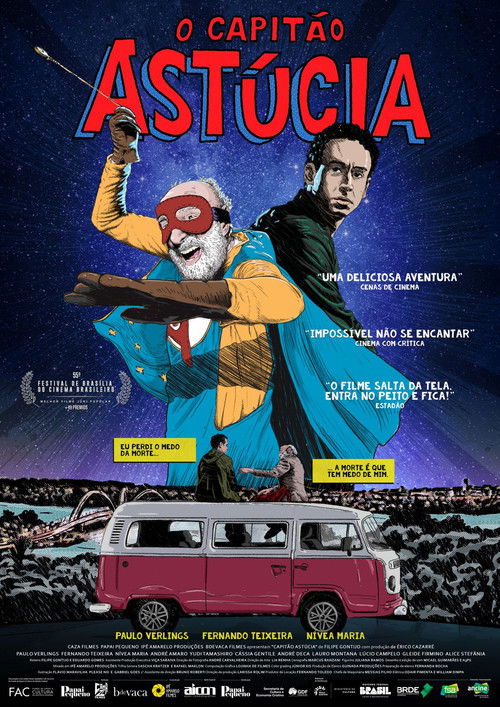
Capitão Astúcia
In the ever-evolving and often inscrutable world of modern art, few events have stirred as much controversy and intrigue as the daring act committed by an enigmatic artist known only as "Conquista." In a world where art oscillates between profound expression and extravagant valuation, Conquista's story stands out as a remarkable tale of defiance, mystery, and an audacious challenge to the status quo. Early Background of Conquista Conquista emerged from the shadows of the underground art scene, a phantom whose past was as elusive as his motivations. Born in the tumultuous milieu of the late 20th century, Conquista's early life remained shrouded in mystery, a canvas left intentionally blank. What little is known speaks of a restless spirit, a mind captivated by the world's injustices and the power of art as a means of commentary. His formative years were spent navigating the complex tapestry of urban art culture, absorbing the influences of graffiti, pop art, and political activism that permeated the streets. The Incident at the Menil Collection On a day that would become etched in art history, Conquista executed what some would call his magnum opus. In 2012, under the gaze of unsuspecting patrons, he brazenly defaced a Picasso masterpiece at the Menil Collection in Houston. The painting, a rare gem from Picasso's 1929 series, valued at $78 million, became the canvas for Conquista's bold statement. The act was over in moments, but its reverberations were seismic, sending shockwaves through the art world. The painting's desecration was not just a blow to its monetary worth but a provocative challenge to the sanctity of established art. The Chase Begins The aftermath was immediate and frenetic. Law enforcement agencies, in coordination with international art protection organizations, launched a global manhunt for Conquista. But the artist proved to be as elusive as a shadow, always one step ahead, vanishing into the sprawling networks of the underground art world. The chase spanned continents, with every clue dissolving into uncertainty. It was a modern-day pursuit, a real-world thriller that unfolded against the backdrop of art galleries and urban landscapes. Public and Media Reaction The media frenzy around the incident was unprecedented. Conquista became a sensation overnight, a villain to some, a revolutionary to others. Headlines blared across nations, while social media buzzed with theories and debates. The public was divided - some viewed him as a criminal who had desecrated a priceless piece of history, while others saw him as a radical artist challenging the elitism and commercialism of the art world. This dichotomy fueled endless discussions about the nature of art and its role in society. Investigation and Interviews The documentary delves into the intricate investigation through dramatized interviews with key figures - art experts, museum curators, and law enforcement officials. Each interview sheds light on different facets of the case and the painting's significance. Curators lament the loss of a cultural treasure, while some art critics daringly suggest that Conquista's act was, in itself, an artistic statement. Law enforcement officials, on the other hand, emphasize the criminality of the act, underscoring the challenges in balancing artistic freedom with legal boundaries. Conquista's Motivation and Philosophy What could drive an artist to such extremes? The film explores the possible motivations behind Conquista's act. Was it a protest against the commodification of art? A statement about the transient nature of beauty? Or simply an act of vandalism? Conquista's philosophy, as pieced together from his few cryptic statements and the themes of his other works, points towards a radical critique of the art world's conventions and a desire to disrupt the comfortable boundaries between art and life. Cultural and Artistic Implications "Conquista" goes beyond the narrative of the chase, delving into the incident's cultural and artistic implications. The documentary raises probing questions about the valuation of art. Is the worth of a painting its price tag, or does it lie in its ability to provoke and challenge? It discusses how Conquista's act brought attention to the often-unquestioned power dynamics within the art world, where a select few dictate the value and importance of art. The film also explores the concept of artistic expression, pushing viewers to ponder where the line between artistic freedom and vandalism lies. The documentary concludes by reflecting on the enduring enigma of Conquista and the unresolved nature of his story. His act remains a controversial chapter in art history - a point of contention that continues to provoke debate about the purpose of art and the role of the artist in society. The legacy of Conquista's act transcends the immediate shock and controversy, challenging viewers to reconsider their perceptions of art.
Capitão Astúcia
Adventure,Drama,Fantasy
Film Details
In the ever-evolving and often inscrutable world of modern art, few events have stirred as much controversy and intrigue as the daring act committed by an enigmatic artist known only as "Conquista." In a world where art oscillates between profound expression and extravagant valuation, Conquista's story stands out as a remarkable tale of defiance, mystery, and an audacious challenge to the status quo. Early Background of Conquista Conquista emerged from the shadows of the underground art scene, a phantom whose past was as elusive as his motivations. Born in the tumultuous milieu of the late 20th century, Conquista's early life remained shrouded in mystery, a canvas left intentionally blank.
What little is known speaks of a restless spirit, a mind captivated by the world's injustices and the power of art as a means of commentary. His formative years were spent navigating the complex tapestry of urban art culture, absorbing the influences of graffiti, pop art, and political activism that permeated the streets. The Incident at the Menil Collection On a day that would become etched in art history, Conquista executed what some would call his magnum opus.
In 2012, under the gaze of unsuspecting patrons, he brazenly defaced a Picasso masterpiece at the Menil Collection in Houston. The painting, a rare gem from Picasso's 1929 series, valued at $78 million, became the canvas for Conquista's bold statement. The act was over in moments, but its reverberations were seismic, sending shockwaves through the art world.
The painting's desecration was not just a blow to its monetary worth but a provocative challenge to the sanctity of established art. The Chase Begins The aftermath was immediate and frenetic. Law enforcement agencies, in coordination with international art protection organizations, launched a global manhunt for Conquista.
But the artist proved to be as elusive as a shadow, always one step ahead, vanishing into the sprawling networks of the underground art world. The chase spanned continents, with every clue dissolving into uncertainty. It was a modern-day pursuit, a real-world thriller that unfolded against the backdrop of art galleries and urban landscapes.
Public and Media Reaction The media frenzy around the incident was unprecedented. Conquista became a sensation overnight, a villain to some, a revolutionary to others. Headlines blared across nations, while social media buzzed with theories and debates.
The public was divided - some viewed him as a criminal who had desecrated a priceless piece of history, while others saw him as a radical artist challenging the elitism and commercialism of the art world. This dichotomy fueled endless discussions about the nature of art and its role in society. Investigation and Interviews The documentary delves into the intricate investigation through dramatized interviews with key figures - art experts, museum curators, and law enforcement officials.
Each interview sheds light on different facets of the case and the painting's significance. Curators lament the loss of a cultural treasure, while some art critics daringly suggest that Conquista's act was, in itself, an artistic statement. Law enforcement officials, on the other hand, emphasize the criminality of the act, underscoring the challenges in balancing artistic freedom with legal boundaries.
Conquista's Motivation and Philosophy What could drive an artist to such extremes? The film explores the possible motivations behind Conquista's act. Was it a protest against the commodification of art? A statement about the transient nature of beauty? Or simply an act of vandalism? Conquista's philosophy, as pieced together from his few cryptic statements and the themes of his other works, points towards a radical critique of the art world's conventions and a desire to disrupt the comfortable boundaries between art and life. Cultural and Artistic Implications "Conquista" goes beyond the narrative of the chase, delving into the incident's cultural and artistic implications.
The documentary raises probing questions about the valuation of art. Is the worth of a painting its price tag, or does it lie in its ability to provoke and challenge? It discusses how Conquista's act brought attention to the often-unquestioned power dynamics within the art world, where a select few dictate the value and importance of art. The film also explores the concept of artistic expression, pushing viewers to ponder where the line between artistic freedom and vandalism lies.
The documentary concludes by reflecting on the enduring enigma of Conquista and the unresolved nature of his story. His act remains a controversial chapter in art history - a point of contention that continues to provoke debate about the purpose of art and the role of the artist in society. The legacy of Conquista's act transcends the immediate shock and controversy, challenging viewers to reconsider their perceptions of art..