


Complicit
The child who lives in family is a child like the others; the others living in centers, they are children who grow up under the stigma of being children institutionalized. They are victims, and despi…
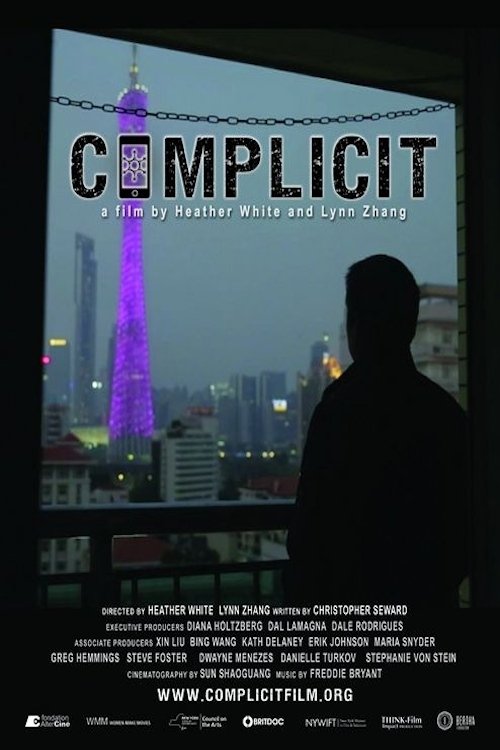
Complicit
The child who lives in family is a child like the others; the others living in centers, they are children who grow up under the stigma of being children institutionalized. They are victims, and despite this condition, people are asking: why are they there? What have they done? The Spanish reception system, with exceptions, is a system inbred, nineteenth-century and opaque, where the law of the strongest always reigns. Society is completely unaware of its reality and administrations do little to normalize the living conditions of these children and teenagers. Biological families are usually abandoned to their fate. Children, most of them very damaged, almost always grow up in rigid systems, where they adapt to the norm, or pay for it. The vast majority, as they come of age, fear for their future. Many end up returning to homes where they could not be before; others end up in shared rooms or on the street. Complaints by organizations such as Amnesty International or UNICEF warn of the abuse that could sometimes exist between its walls and even the danger of trafficking. Some of these children are lucky to grow up in foster families, a rather unknown resource, in Spain that is usually supportive. Few Communities, like "Comunidad Valenciana", struggle to change this reality. The life of children who grow up within the system or in foster families is usually hard and complex. This is the story of some of them. The objective of this documentary is to respond to these questions by those involved in them, from those who were once under guardianship, to their educators and various specialists in the field.
Complicit
Documentary
Film Details

The child who lives in family is a child like the others; the others living in centers, they are children who grow up under the stigma of being children institutionalized. They are victims, and despite this condition, people are asking: why are they there? What have they done? The Spanish reception system, with exceptions, is a system inbred, nineteenth-century and opaque, where the law of the strongest always reigns. Society is completely unaware of its reality and administrations do little to normalize the living conditions of these children and teenagers.
Biological families are usually abandoned to their fate. Children, most of them very damaged, almost always grow up in rigid systems, where they adapt to the norm, or pay for it. The vast majority, as they come of age, fear for their future.
Many end up returning to homes where they could not be before; others end up in shared rooms or on the street. Complaints by organizations such as Amnesty International or UNICEF warn of the abuse that could sometimes exist between its walls and even the danger of trafficking. Some of these children are lucky to grow up in foster families, a rather unknown resource, in Spain that is usually supportive.
Few Communities, like "Comunidad Valenciana", struggle to change this reality. The life of children who grow up within the system or in foster families is usually hard and complex. This is the story of some of them.
The objective of this documentary is to respond to these questions by those involved in them, from those who were once under guardianship, to their educators and various specialists in the field..