


Damaad
Damad (1951) is a Hindi social comedy-drama that explores family relationships, self-respect, and social hypocrisy through the experiences of a gentle and naive young man. Chamak ( portrayed by 'Maste…
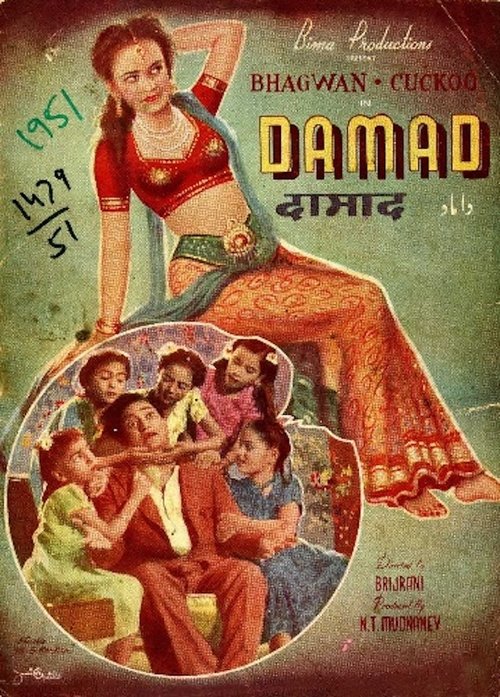
Damaad
Damad (1951) is a Hindi social comedy-drama that explores family relationships, self-respect, and social hypocrisy through the experiences of a gentle and naive young man. Chamak ( portrayed by 'Master' Bhagwan Pallav) a kind but absent-minded school teacher in a small town, is known for his extreme simplicity and lack of worldly sharpness. His innocent nature often makes him the subject of lighthearted ridicule, even from his own students, yet his sincerity and goodness remain unquestioned. Chamak marries Geeta, ( portrayed by Krishna Kumari), the daughter of a wealthy and influential businessman, and the couple initially looks forward to a comfortable life together. Soon after the marriage, however, when Chamak loses his teaching job. Concerned for his daughter's happiness and believing that financial security is essential to marital stability, Geeta's father invites the newly married couple to live in his luxurious city home. Overawed by his new surroundings, Chamak is welcomed warmly and treated with great honor as the family's new son-in-law. He is indulged with fine food, leisure, and comfort, and is encouraged to live without responsibility or work. As time passes and Chamak remains unemployed and unproductive, the family's attitude toward him gradually changes. The earlier affection gives way to impatience, contempt, and humiliation. Once pampered, he is now treated as an unwanted burden, criticized for his idleness, and deprived of dignity. Geeta finds herself caught between loyalty to her husband and obedience to her parents. A turning point comes when Chamak's natural singing ability is discovered by chance by a theatre manager who overhears him singing. Recognizing his raw talent, the manager offers Chamak an opportunity to perform professionally. Desperate to escape his degrading situation, Chamak accepts. To the astonishment of everyone, he achieves rapid success as a singer, gaining popularity, wealth, and public admiration while touring across the country. With Chamak's newfound fame, his in-laws abruptly reverse their behavior, once again showering him with respect and attention, motivated by his status and earnings. Having matured through hardship, Chamak now understands the true nature of their affection. Without bitterness, he subtly exposes their hypocrisy through humor and restraint, asserting his self-worth while upholding familial harmony. Ultimately, the family recognizes its moral failure and repents. The film concludes with reconciliation, emphasizing the importance of respecting individuals for their character rather than their wealth or social standing. Damad delivers a gentle yet pointed social message, combining comedy, music, and sentiment to critique materialism and affirm traditional values of humility, perseverance, and human dignity
Damaad
Comedy
Film Details
Damad (1951) is a Hindi social comedy-drama that explores family relationships, self-respect, and social hypocrisy through the experiences of a gentle and naive young man. Chamak ( portrayed by 'Master' Bhagwan Pallav) a kind but absent-minded school teacher in a small town, is known for his extreme simplicity and lack of worldly sharpness. His innocent nature often makes him the subject of lighthearted ridicule, even from his own students, yet his sincerity and goodness remain unquestioned.
Chamak marries Geeta, ( portrayed by Krishna Kumari), the daughter of a wealthy and influential businessman, and the couple initially looks forward to a comfortable life together. Soon after the marriage, however, when Chamak loses his teaching job. Concerned for his daughter's happiness and believing that financial security is essential to marital stability, Geeta's father invites the newly married couple to live in his luxurious city home.
Overawed by his new surroundings, Chamak is welcomed warmly and treated with great honor as the family's new son-in-law. He is indulged with fine food, leisure, and comfort, and is encouraged to live without responsibility or work. As time passes and Chamak remains unemployed and unproductive, the family's attitude toward him gradually changes.
The earlier affection gives way to impatience, contempt, and humiliation. Once pampered, he is now treated as an unwanted burden, criticized for his idleness, and deprived of dignity. Geeta finds herself caught between loyalty to her husband and obedience to her parents.
A turning point comes when Chamak's natural singing ability is discovered by chance by a theatre manager who overhears him singing. Recognizing his raw talent, the manager offers Chamak an opportunity to perform professionally. Desperate to escape his degrading situation, Chamak accepts.
To the astonishment of everyone, he achieves rapid success as a singer, gaining popularity, wealth, and public admiration while touring across the country. With Chamak's newfound fame, his in-laws abruptly reverse their behavior, once again showering him with respect and attention, motivated by his status and earnings. Having matured through hardship, Chamak now understands the true nature of their affection.
Without bitterness, he subtly exposes their hypocrisy through humor and restraint, asserting his self-worth while upholding familial harmony. Ultimately, the family recognizes its moral failure and repents. The film concludes with reconciliation, emphasizing the importance of respecting individuals for their character rather than their wealth or social standing.
Damad delivers a gentle yet pointed social message, combining comedy, music, and sentiment to critique materialism and affirm traditional values of humility, perseverance, and human dignity.