


Don't Get Me Wrong
A glimpse at the daily lives of patients in a Romanian psychiatric hospital. How to stop the rain, whether god exists: these are among the profound questions that occupy the minds of Alexandru and Ocs…
Don't Get Me Wrong
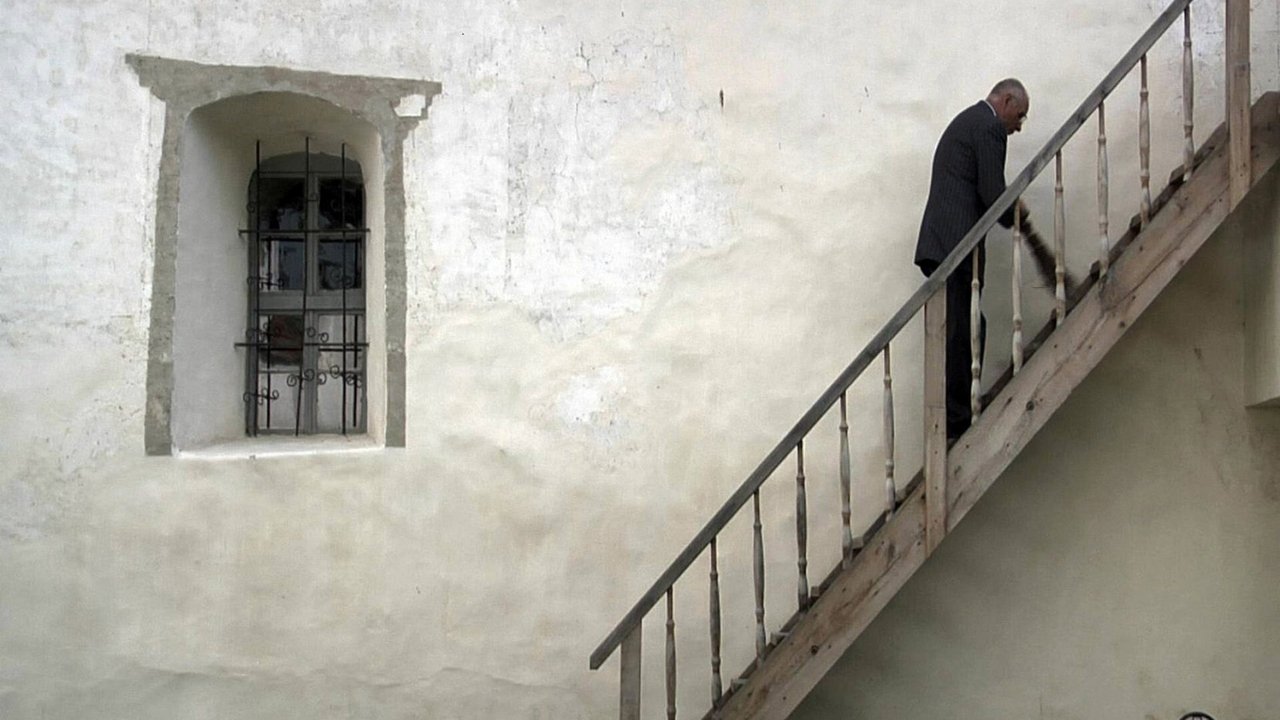
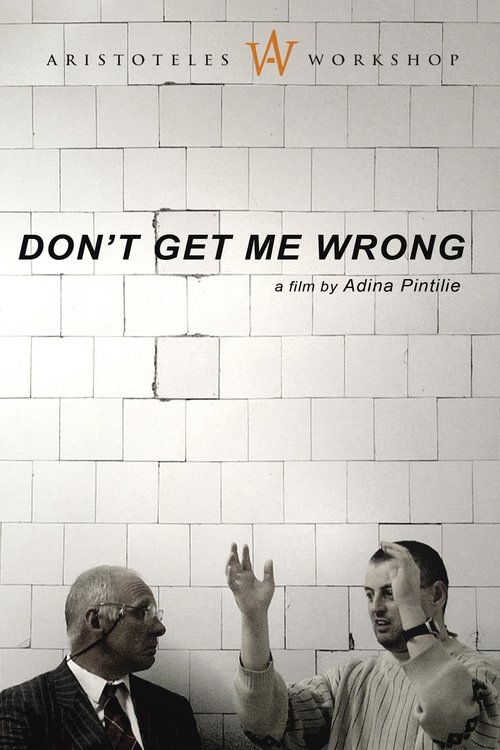
A glimpse at the daily lives of patients in a Romanian psychiatric hospital. How to stop the rain, whether god exists: these are among the profound questions that occupy the minds of Alexandru and Ocsy, two schizophrenic patients in the Calugareni Neuropsychiatric Centre in Romania. Throughout the film, the two friends discuss such scientific and philosophical matters as we observe them and their fellow patients going about their strange daily routines, while the centre's nurses are kept out of view. One man happily moves pebbles from left to right, from right to left, day in day out. Another patient lying in his bed stares at colourful projections on the wall, and another spends his time diligently caring for others less physically able than himself. In precisely composed images, accompanied by light piano music and evocative atmospheric sound, the director registers the tiny details of the environment in the institution. A harsh world, far removed from normality, is transformed into the sublime. —International Documentary Film Festival Munich - DOK.fest München 'How do you stop the rain?' one of the patients in a psychiatric hospital in Romania repeatedly asks his discussion partner. The latter explains that he is in close touch with God and that he is a supernatural being. But his inquiring friend is not easily convinced. Both men suffer from schizophrenia and spend their days in the clinic endlessly repeating the same discussions. Other patients busy themselves by compulsively moving pebbles, staring at liquid projections on the wall, or patiently caring for fellow patients. Affectionately, they hoist each other in oversized jogging pants. Without comment, the camera registers everything, pausing at the details: water dripping from the shower head in the bare white-tiled bathroom, a drainpipe attached to the outer wall, the reflection of the air in the puddles on the concrete courtyard. Everything is captured stylishly. Almost every shot looks like a photograph, with deep contrasts. On the soundtrack, we constantly hear the moving of pebbles, the bustle of the occupants and the lingering discussion between the two men about whether or not God exists. The nursing staff is kept out of the film. "Don't Get Me Wrong" only shows the patients, in all their vulnerability. —International Documentary Filmfestival Amsterdam (IDFA) They are not exactly friends, just bound to live together. Ocsy sweeps the church steps every day, always in a suit and tie, and has a chat with an extremely obedient God. Alex has a genuine passion for science, an adequate diet and a breakthrough invention on the way. They often argue, but their aim is one: to help mankind. Abel feeds everyone and, if need be, changes their diapers. Ignat moves stones from left to right, then from right to left. —Aristoteles Workshop
Don't Get Me Wrong
Documentary
Film Details
A glimpse at the daily lives of patients in a Romanian psychiatric hospital. How to stop the rain, whether god exists: these are among the profound questions that occupy the minds of Alexandru and Ocsy, two schizophrenic patients in the Calugareni Neuropsychiatric Centre in Romania. Throughout the film, the two friends discuss such scientific and philosophical matters as we observe them and their fellow patients going about their strange daily routines, while the centre's nurses are kept out of view.
One man happily moves pebbles from left to right, from right to left, day in day out. Another patient lying in his bed stares at colourful projections on the wall, and another spends his time diligently caring for others less physically able than himself. In precisely composed images, accompanied by light piano music and evocative atmospheric sound, the director registers the tiny details of the environment in the institution.
A harsh world, far removed from normality, is transformed into the sublime. —International Documentary Film Festival Munich - DOK.fest München 'How do you stop the rain?' one of the patients in a psychiatric hospital in Romania repeatedly asks his discussion partner. The latter explains that he is in close touch with God and that he is a supernatural being.
But his inquiring friend is not easily convinced. Both men suffer from schizophrenia and spend their days in the clinic endlessly repeating the same discussions. Other patients busy themselves by compulsively moving pebbles, staring at liquid projections on the wall, or patiently caring for fellow patients.
Affectionately, they hoist each other in oversized jogging pants. Without comment, the camera registers everything, pausing at the details: water dripping from the shower head in the bare white-tiled bathroom, a drainpipe attached to the outer wall, the reflection of the air in the puddles on the concrete courtyard. Everything is captured stylishly.
Almost every shot looks like a photograph, with deep contrasts. On the soundtrack, we constantly hear the moving of pebbles, the bustle of the occupants and the lingering discussion between the two men about whether or not God exists. The nursing staff is kept out of the film.
"Don't Get Me Wrong" only shows the patients, in all their vulnerability. —International Documentary Filmfestival Amsterdam (IDFA) They are not exactly friends, just bound to live together. Ocsy sweeps the church steps every day, always in a suit and tie, and has a chat with an extremely obedient God.
Alex has a genuine passion for science, an adequate diet and a breakthrough invention on the way. They often argue, but their aim is one: to help mankind. Abel feeds everyone and, if need be, changes their diapers.
Ignat moves stones from left to right, then from right to left. —Aristoteles Workshop.