


El Hombre Inconcluso
TVE journalist Paloma Chamorro symbolized openness and modernity in Spain in the early 80s. Her personality and her programs on the then only television network made her an icon, influential and trans…
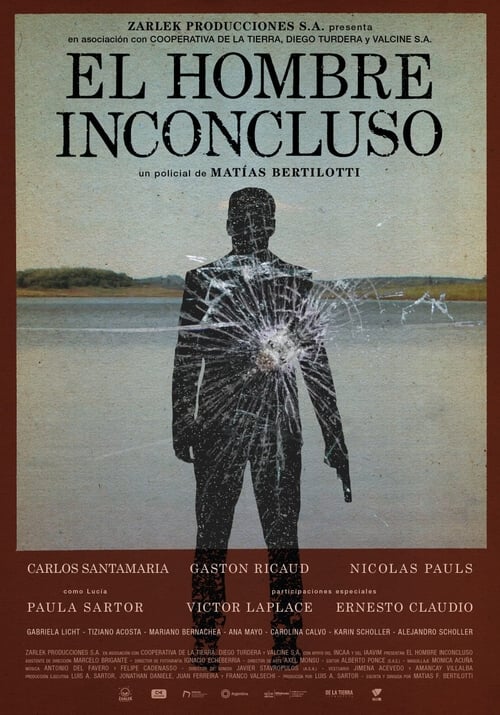
El Hombre Inconcluso
TVE journalist Paloma Chamorro symbolized openness and modernity in Spain in the early 80s. Her personality and her programs on the then only television network made her an icon, influential and transgressor. If anyone symbolizes openness and modernity in Spain in the early 80s, it is the TVE journalist Paloma Chamorro. Her personality and her programs on the then only television made her an icon, influential and transgressor. Icónica Chamorro documents her legacy, full of creativity, rebellion and total freedom of expression, a reference that endures over time. Contemporary creators of Chamorro such as Almodóvar and Alaska, painters such as Barceló and Pérez Villalta, her life partner, friends and collaborators of her on TV and off, remember and pay tribute to her personality, work and leadership of she. She opted for talents from the so-called Madrid Movida and outside it, for emerging Anglo-Saxon and North American artists and thanks to that, in TVE's audiovisual archive there have been great moments in the history of television that challenge current political correctness. 40 years later, her innovative approaches for the time, her technical and conceptual daring, are impressive. Her star program, iconic like herself, was The Golden Age, an unprecedented live performance-party on national and international television. Through its 50 chapters, between 1983 and 1985, fundamental musicians and artists of contemporary Western culture attended. Some had already done it in previous programs such as Traces and Images, and later in La Estación de Perpignan and Invented Reality. She conducted very valuable interviews with Miró, Dalà and Barceló, with Lou Reed or John Cale, with Robert Mapplerhorpe or Keith Haring.
El Hombre Inconcluso
Crime,Mystery,Thriller
Film Details
TVE journalist Paloma Chamorro symbolized openness and modernity in Spain in the early 80s. Her personality and her programs on the then only television network made her an icon, influential and transgressor. If anyone symbolizes openness and modernity in Spain in the early 80s, it is the TVE journalist Paloma Chamorro.
Her personality and her programs on the then only television made her an icon, influential and transgressor. Icónica Chamorro documents her legacy, full of creativity, rebellion and total freedom of expression, a reference that endures over time. Contemporary creators of Chamorro such as Almodóvar and Alaska, painters such as Barceló and Pérez Villalta, her life partner, friends and collaborators of her on TV and off, remember and pay tribute to her personality, work and leadership of she.
She opted for talents from the so-called Madrid Movida and outside it, for emerging Anglo-Saxon and North American artists and thanks to that, in TVE's audiovisual archive there have been great moments in the history of television that challenge current political correctness. 40 years later, her innovative approaches for the time, her technical and conceptual daring, are impressive. Her star program, iconic like herself, was The Golden Age, an unprecedented live performance-party on national and international television.
Through its 50 chapters, between 1983 and 1985, fundamental musicians and artists of contemporary Western culture attended. Some had already done it in previous programs such as Traces and Images, and later in La Estación de Perpignan and Invented Reality. She conducted very valuable interviews with Miró, Dalà and Barceló, with Lou Reed or John Cale, with Robert Mapplerhorpe or Keith Haring..