


How to Kill Your Neighbor's Dog
Peter McGowan (Kenneth Branagh) is a once-celebrated British playwright living in Los Angeles who now finds himself creatively barren, emotionally frayed, and grappling with a life far removed from hi…

How to Kill Your Neighbor's Dog
Peter McGowan (Kenneth Branagh) is a once-celebrated British playwright living in Los Angeles who now finds himself creatively barren, emotionally frayed, and grappling with a life far removed from his early success. Once the toast of Broadway, Peter is now ten years into a slump, with his last few productions flopping critically and commercially. A chronic insomniac, a heavy smoker, and impotent to boot, Peter is locked in a downward spiral both personally and professionally. Peter's latest play-his last chance at redemption in many ways-is being directed by the flamboyant and overly enthusiastic Brian Sellars (David Krumholtz), whose obsession with one of the lead actresses, Petula Clark, only further undermines Peter's fragile sense of control over his work. Meanwhile, his wife Melanie (Robin Wright Penn), a patient and loving woman with a quiet resolve, is adamant about having a baby despite Peter's inability to conceive. The issue creates a silent but widening rift in their relationship, adding to Peter's sense of inadequacy and failure. To make matters worse, Peter's already troubled sleep is further disrupted when a new couple moves into the neighborhood with a relentlessly barking dog. The constant noise keeps him awake, pushing him into long, restless walks through the streets of Los Angeles at night. During one such walk, Peter meets a strange man-his apparent doppelganger-who also claims to be named Peter McGowan (played by Jared Harris). The man is eccentric, enigmatic, and slightly unstable, but Peter finds himself oddly drawn to him. Over time, they form an unconventional and oddly supportive friendship. Amidst the chaos, Peter develops an unlikely bond with Amy Walsh (Suzi Hofrichter), the lonely young daughter of his new neighbors. Amy has mild cerebral palsy and, like Peter, seems to be on the outskirts of society. Their relationship begins awkwardly, as Peter initially resents Amy's family for the noisy dog and their uninvited disruption of his routine. However, he soon discovers a deep connection with Amy, whose innocence, honesty, and resilience slowly chip away at Peter's cynicism. Peter's inability to complete his new play-particularly a scene involving a young child-leads him to spend more time with Amy. He uses their conversations as inspiration, studying her mannerisms and speech to bring authenticity to the child character in his script. This growing relationship with Amy not only helps him move past his writer's block but also brings unexpected joy and emotional nourishment to both him and Melanie. Melanie, who is struggling with her own maternal void, begins to treat Amy like the daughter she longs to have. The trio spends increasing amounts of time together, causing Amy's mother Trina (Lucinda Jenney) to feel neglected and excluded. Peter, trying to bring realism into his work, suggests incorporating a character with cerebral palsy into his play. The idea, however, is poorly received by the director and others involved in the production, who accuse Peter of being exploitative. Meanwhile, Trina decides to distance Amy from Peter and Melanie, hiring a new babysitter. But Amy rejects the change. She misses the couple and eventually demands that the babysitter contact Peter and Melanie, reaffirming the depth of their emotional bond. Despite the love and support he receives from Melanie and Amy, Peter remains under tremendous pressure. During a televised interview, a talk show host mocks him about his string of theatrical failures, deepening Peter's sense of anxiety and desperation. Meanwhile, Melanie, a dance instructor, begins teaching Amy how to dance. They organize a small recital for Amy to perform in front of her mother. Amy does well, but she stumbles twice during the performance. Instead of being proud, Trina is embarrassed and abruptly stops the music, devastating Amy. Peter, deeply hurt and angered, lashes out at Trina, accusing her of being the biggest barrier to her daughter's happiness and potential. In a dramatic turn of events, the noisy dog is mysteriously shot. The neighbors, who are aware of Peter's animosity toward the dog, immediately suspect him and call the police. As the investigation unfolds, Peter's doppelganger is found with a rifle and is arrested, seemingly confirming that he was the culprit. The incident shakes Peter, forcing him to reflect on his own bitterness and growing misanthropy. Eventually, Amy's mother decides to move away, breaking the hearts of both Peter and Melanie. Amy's farewell is emotional and tearful, a poignant moment that underscores the deep connection they had formed. After Amy's departure, Peter and Melanie resume their attempts to conceive a child, their lives subtly changed by the brief but meaningful presence of the little girl who helped them rediscover empathy, hope, and the simple joys of connection. In the end, How to Kill Your Neighbor's Dog, is not a story about violence or revenge, but a layered, bittersweet exploration of midlife crisis, lost inspiration, human connection, and unexpected redemption. Through dark humor and touching relationships, it paints a portrait of a man who, despite his flaws and failures, finds a sliver of light in the least expected places.
How to Kill Your Neighbor's Dog
Comedy,Drama
Film Details
Peter McGowan (Kenneth Branagh) is a once-celebrated British playwright living in Los Angeles who now finds himself creatively barren, emotionally frayed, and grappling with a life far removed from his early success. Once the toast of Broadway, Peter is now ten years into a slump, with his last few productions flopping critically and commercially. A chronic insomniac, a heavy smoker, and impotent to boot, Peter is locked in a downward spiral both personally and professionally.
Peter's latest play-his last chance at redemption in many ways-is being directed by the flamboyant and overly enthusiastic Brian Sellars (David Krumholtz), whose obsession with one of the lead actresses, Petula Clark, only further undermines Peter's fragile sense of control over his work. Meanwhile, his wife Melanie (Robin Wright Penn), a patient and loving woman with a quiet resolve, is adamant about having a baby despite Peter's inability to conceive. The issue creates a silent but widening rift in their relationship, adding to Peter's sense of inadequacy and failure.
To make matters worse, Peter's already troubled sleep is further disrupted when a new couple moves into the neighborhood with a relentlessly barking dog. The constant noise keeps him awake, pushing him into long, restless walks through the streets of Los Angeles at night. During one such walk, Peter meets a strange man-his apparent doppelganger-who also claims to be named Peter McGowan (played by Jared Harris).
The man is eccentric, enigmatic, and slightly unstable, but Peter finds himself oddly drawn to him. Over time, they form an unconventional and oddly supportive friendship. Amidst the chaos, Peter develops an unlikely bond with Amy Walsh (Suzi Hofrichter), the lonely young daughter of his new neighbors.
Amy has mild cerebral palsy and, like Peter, seems to be on the outskirts of society. Their relationship begins awkwardly, as Peter initially resents Amy's family for the noisy dog and their uninvited disruption of his routine. However, he soon discovers a deep connection with Amy, whose innocence, honesty, and resilience slowly chip away at Peter's cynicism.
Peter's inability to complete his new play-particularly a scene involving a young child-leads him to spend more time with Amy. He uses their conversations as inspiration, studying her mannerisms and speech to bring authenticity to the child character in his script. This growing relationship with Amy not only helps him move past his writer's block but also brings unexpected joy and emotional nourishment to both him and Melanie.
Melanie, who is struggling with her own maternal void, begins to treat Amy like the daughter she longs to have. The trio spends increasing amounts of time together, causing Amy's mother Trina (Lucinda Jenney) to feel neglected and excluded. Peter, trying to bring realism into his work, suggests incorporating a character with cerebral palsy into his play.
The idea, however, is poorly received by the director and others involved in the production, who accuse Peter of being exploitative. Meanwhile, Trina decides to distance Amy from Peter and Melanie, hiring a new babysitter. But Amy rejects the change.
She misses the couple and eventually demands that the babysitter contact Peter and Melanie, reaffirming the depth of their emotional bond. Despite the love and support he receives from Melanie and Amy, Peter remains under tremendous pressure. During a televised interview, a talk show host mocks him about his string of theatrical failures, deepening Peter's sense of anxiety and desperation.
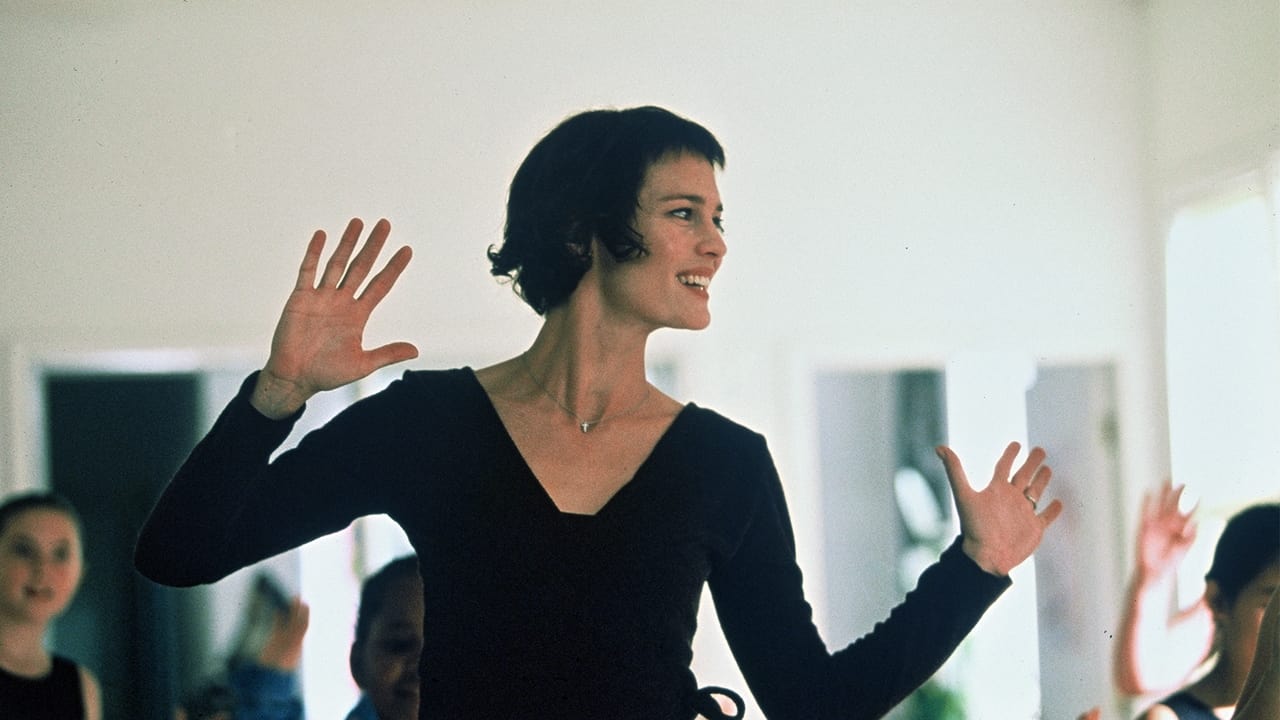
Meanwhile, Melanie, a dance instructor, begins teaching Amy how to dance. They organize a small recital for Amy to perform in front of her mother. Amy does well, but she stumbles twice during the performance.
Instead of being proud, Trina is embarrassed and abruptly stops the music, devastating Amy. Peter, deeply hurt and angered, lashes out at Trina, accusing her of being the biggest barrier to her daughter's happiness and potential. In a dramatic turn of events, the noisy dog is mysteriously shot.
The neighbors, who are aware of Peter's animosity toward the dog, immediately suspect him and call the police. As the investigation unfolds, Peter's doppelganger is found with a rifle and is arrested, seemingly confirming that he was the culprit. The incident shakes Peter, forcing him to reflect on his own bitterness and growing misanthropy.
Eventually, Amy's mother decides to move away, breaking the hearts of both Peter and Melanie. Amy's farewell is emotional and tearful, a poignant moment that underscores the deep connection they had formed. After Amy's departure, Peter and Melanie resume their attempts to conceive a child, their lives subtly changed by the brief but meaningful presence of the little girl who helped them rediscover empathy, hope, and the simple joys of connection.
In the end, How to Kill Your Neighbor's Dog, is not a story about violence or revenge, but a layered, bittersweet exploration of midlife crisis, lost inspiration, human connection, and unexpected redemption. Through dark humor and touching relationships, it paints a portrait of a man who, despite his flaws and failures, finds a sliver of light in the least expected places..