


Intolerance
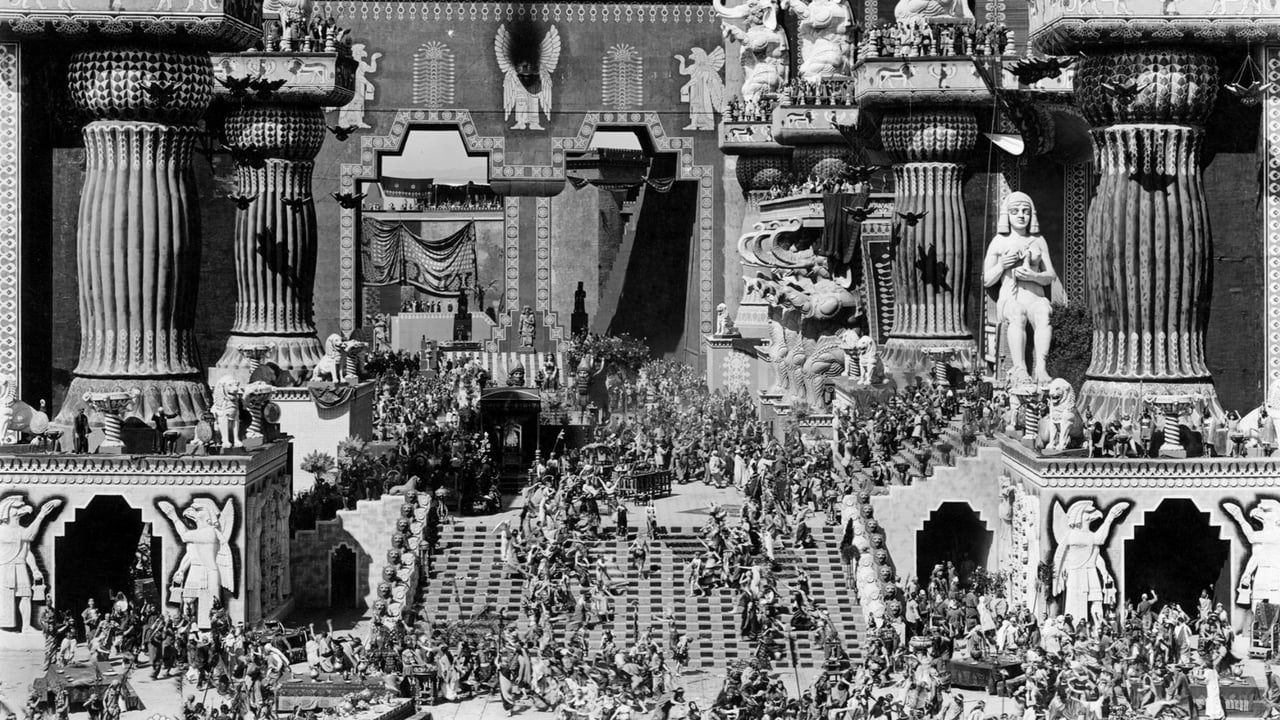
Four historical tales depict the ongoing human struggle against prejudice and inhumanity. Intolerance and its terrible effects are examined in four historical eras: In ancient Babylon, a mountain girl…
Intolerance
Four historical tales depict the ongoing human struggle against prejudice and inhumanity. Intolerance and its terrible effects are examined in four historical eras: In ancient Babylon, a mountain girl is caught up in the religious rivalry that leads to the city's downfall. In Judea, the hypocritical Pharisees condemn Jesus Christ. In 1572 Paris, unaware of the impending St. Bartholomew's Day Massacre, two young Huguenots prepare for marriage. Finally, in modern America, social reformers destroy the lives of a young woman and her beloved. —Erik Gregersen <erik@astro.as.utexas.edu> Four parallel stories of intolerance through the ages--most specifically ancient Babylon, the era of Christ's uprising, the French Renaissance during the reign of Charles IX and his mother Catherine de Medici, and present day--are presented. That intolerance is solely because of social groupings as opposed to the people as individuals. Each story tells of the group in power who use that power to quash a popular uprising--usually with violence--and the affect that it has on a young couple who just want to live largely in peace. The movie moves from story to story, cutting from one to another during moments similar to the two stories. But overriding the entire proceeding is the Eternal Mother, who is seen rocking the cradle of the human race. —Huggo Four tales from director D.W. Griffith show how intolerance and hatred have affected mankind through the ages. In the first tale a young girl, the Dear One and her father are forced to move to the city after he loses his job at a local mill. The Dear One faces a hard life after her husband is falsely convicted. In the second tale, the Pharisees ignore Jesus Christ's message of love and protection and refuse to help him. In the third tale, a young Huguenot couple, Brown Eye and Prosper Latour, prepare for their wedding in 1572 Paris unaware of the plans to eliminate the Protestant sect. Finally, the last story looks at a young mountain girl of ancient Babylon in 539 B.C. who falls in love. —garykmcd
Intolerance
Drama,History
Film Details
Four historical tales depict the ongoing human struggle against prejudice and inhumanity. Intolerance and its terrible effects are examined in four historical eras: In ancient Babylon, a mountain girl is caught up in the religious rivalry that leads to the city's downfall. In Judea, the hypocritical Pharisees condemn Jesus Christ.
In 1572 Paris, unaware of the impending St. Bartholomew's Day Massacre, two young Huguenots prepare for marriage. Finally, in modern America, social reformers destroy the lives of a young woman and her beloved.
—Erik Gregersen <erik@astro.as.utexas.edu> Four parallel stories of intolerance through the ages--most specifically ancient Babylon, the era of Christ's uprising, the French Renaissance during the reign of Charles IX and his mother Catherine de Medici, and present day--are presented. That intolerance is solely because of social groupings as opposed to the people as individuals. Each story tells of the group in power who use that power to quash a popular uprising--usually with violence--and the affect that it has on a young couple who just want to live largely in peace.
The movie moves from story to story, cutting from one to another during moments similar to the two stories. But overriding the entire proceeding is the Eternal Mother, who is seen rocking the cradle of the human race. —Huggo Four tales from director D.W.
Griffith show how intolerance and hatred have affected mankind through the ages. In the first tale a young girl, the Dear One and her father are forced to move to the city after he loses his job at a local mill. The Dear One faces a hard life after her husband is falsely convicted.
In the second tale, the Pharisees ignore Jesus Christ's message of love and protection and refuse to help him. In the third tale, a young Huguenot couple, Brown Eye and Prosper Latour, prepare for their wedding in 1572 Paris unaware of the plans to eliminate the Protestant sect. Finally, the last story looks at a young mountain girl of ancient Babylon in 539 B.C.
who falls in love. —garykmcd.