


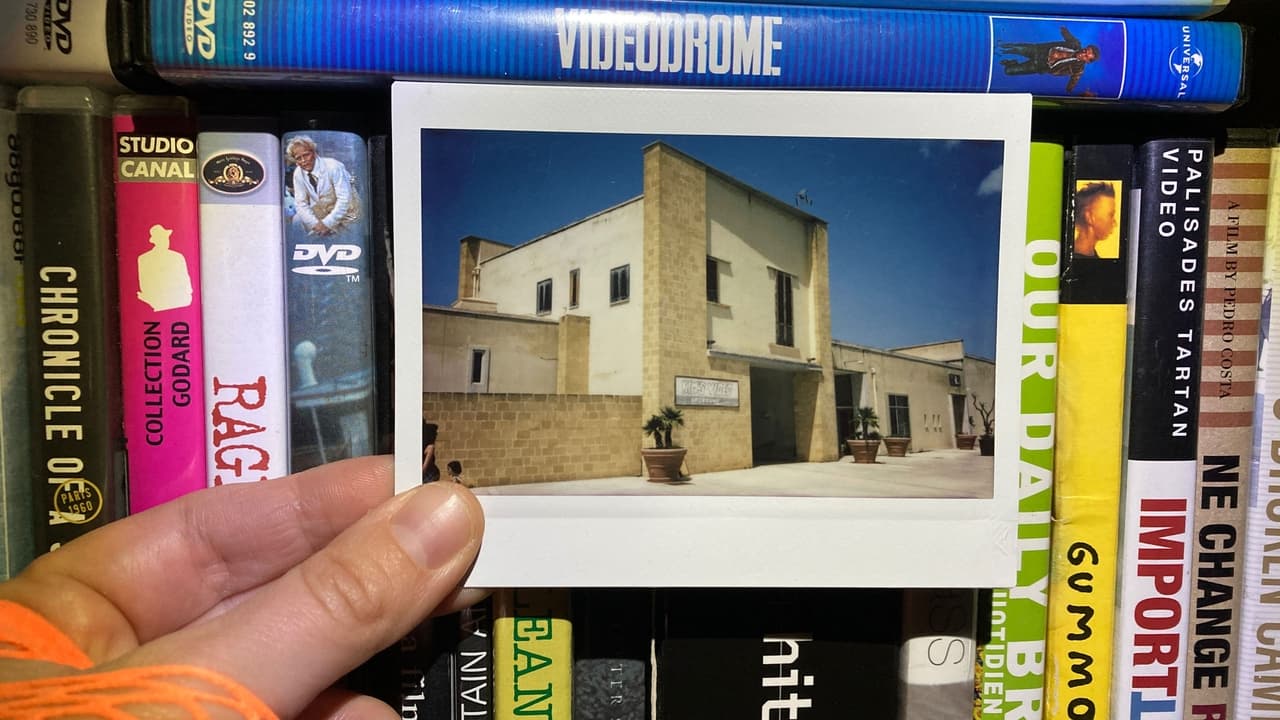
Kim's Video
It immerses us in the life of AgustÃn Gómez Arcos. His legacy has been rediscovered by new generations, and the recovery of his figure is revealed as one of the unfinished tasks of our culture. It i…

Kim's Video
It immerses us in the life of AgustÃn Gómez Arcos. His legacy has been rediscovered by new generations, and the recovery of his figure is revealed as one of the unfinished tasks of our culture. It immerses us in the life of AgustÃn Gómez Arcos, a writer from AlmerÃa who achieved success on the French literary scene in the 1970s, while in Spain his name remained obscure. In France, his works were read by millions of readers, translated into more than a dozen languages, and adopted in high school educational programs. He was also a finalist for the Prix Goncourt on six occasions. Gómez Arcos chose French to speak out and keep alive the memory of those defeated by the Franco regime. His success, his public interventions, and his ideas reveal a progressive man who foresaw issues such as democratic memory, feminism, and gender and sexual identity. After decades of neglect, in 2006, the publishing house Cabaret Voltaire began translating and publishing his novels for the first time in Spain. Today, his legacy has been rediscovered by new generations, and the recovery of his figure is revealed as one of the unfinished tasks of our culture.
Kim's Video
Documentary
Film Details
It immerses us in the life of AgustÃn Gómez Arcos. His legacy has been rediscovered by new generations, and the recovery of his figure is revealed as one of the unfinished tasks of our culture. It immerses us in the life of AgustÃn Gómez Arcos, a writer from AlmerÃa who achieved success on the French literary scene in the 1970s, while in Spain his name remained obscure.
In France, his works were read by millions of readers, translated into more than a dozen languages, and adopted in high school educational programs. He was also a finalist for the Prix Goncourt on six occasions. Gómez Arcos chose French to speak out and keep alive the memory of those defeated by the Franco regime.
His success, his public interventions, and his ideas reveal a progressive man who foresaw issues such as democratic memory, feminism, and gender and sexual identity. After decades of neglect, in 2006, the publishing house Cabaret Voltaire began translating and publishing his novels for the first time in Spain. Today, his legacy has been rediscovered by new generations, and the recovery of his figure is revealed as one of the unfinished tasks of our culture..