


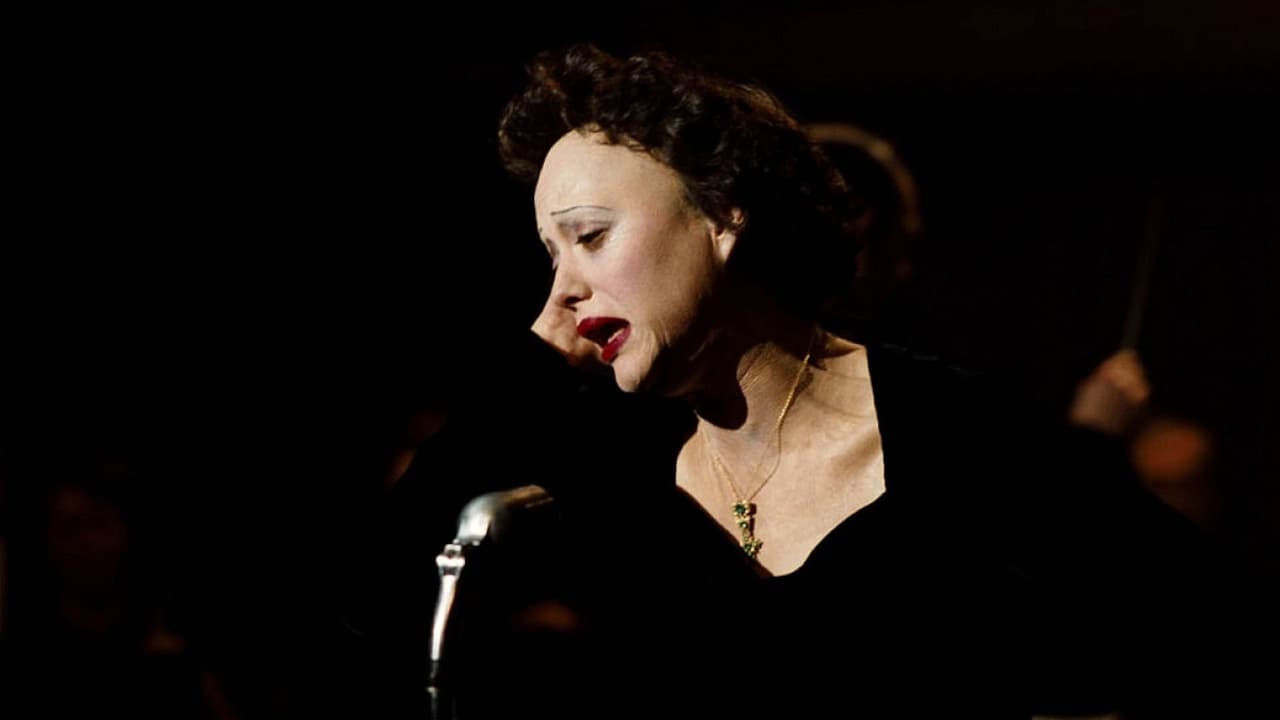
La Vie En Rose
Biopic of the iconic French singer Édith Piaf. Raised by her grandmother in a brothel, she was discovered while singing on a street corner at the age of 19. Despite her success, Piaf's life was filled…
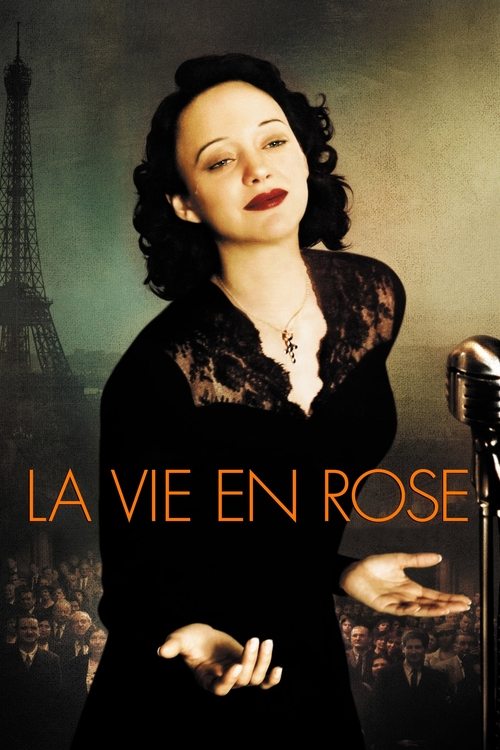
La Vie En Rose
Biopic of the iconic French singer Édith Piaf. Raised by her grandmother in a brothel, she was discovered while singing on a street corner at the age of 19. Despite her success, Piaf's life was filled with tragedy. An un-chronological look at the life of the Little Sparrow, Édith Piaf (1915-1963). Her mother is an alcoholic street singer, her father a circus performer, her paternal grandmother a madam. During childhood she lives with each of them. At 20, she's a street singer discovered by a club owner who's soon murdered, coached by a musician who brings her to concert halls, and then quickly famous. Constant companions are alcohol and heartache. The tragedies of her love affair with Marcel Cerdan and the death of her only child belie the words of one of her signature songs, "Non, je ne regrette rien." The back and forth nature of the narrative suggests the patterns of memory and association. —<jhailey@hotmail.com> Born into poverty and raised in a brothel, Édith Piaf manages to achieve worldwide fame. Though her extraordinary voice and charisma open many doors that lead to friendships and romances, she experiences great personal loss, drug addiction and an early death. —Jwelch5742 Skipping back and forth in time, Olivier Dahan's elaborate mosaic of events delves into the hard life and times of French singer Édith Piaf. Her moving songs, filled with evocative lyrics about love's sorrows and joys, made her an icon. And exploring a turbulent life that remains veiled in secrecy, La Vie En Rose presents a non-chronological series of pivotal incidents: impoverished and homeless young Édith is abandoned by her half-mad mother, neglected by her circus-performer father, taken in by prostitutes, and abused by boyfriends. As cabaret owner Louis Leplée gives tiny Édith the stage surname of Piaf or Sparrow, yet another series of unfortunate events unfold, including substance abuse, heartache, and tragedy. —Nick Riganas While her father Louis was away during World War I, Édith Piaf, born Édith Gassion, spent her formative years with her alcoholic mother who earned a living as a street singer, then in her paternal grandmother's brothel. After the war, Louis resumed his life as a street acrobat and took Édith with him on the road. She was a sickly child whose health was always compromised. Despite her frailty, she had a powerhouse of a singing voice like her mother, and was certain she would be a famous singer one day. She got her first big break when cabaret owner Louis Leplée heard her singing on the street (she who was then doing this "work" for her pimp boyfriend, Albert, in exchange for him not forcing her to work as a prostitute), he who gave her the name Piaf, which translates into sparrow. Taken under the strict direction of vocal coach Raymond Asso, Édith achieved greater fame singing in concert halls first in Paris, then throughout Europe and the United States. At various times, her career was threatened by alleged connections to the mob in association with a murder, morphine and alcohol addiction used initially to relieve pain associated with injuries sustained from a serious car accident, and ill health due to her general constitution. In her personal life, she was linked romantically to already married middleweight boxer Marcel Cerdan and singer Jacques Pills, the latter to who she was married. —Huggo
La Vie En Rose
Biography,Drama,Music
Film Details
Biopic of the iconic French singer Édith Piaf. Raised by her grandmother in a brothel, she was discovered while singing on a street corner at the age of 19. Despite her success, Piaf's life was filled with tragedy.
An un-chronological look at the life of the Little Sparrow, Édith Piaf (1915-1963). Her mother is an alcoholic street singer, her father a circus performer, her paternal grandmother a madam. During childhood she lives with each of them.
At 20, she's a street singer discovered by a club owner who's soon murdered, coached by a musician who brings her to concert halls, and then quickly famous. Constant companions are alcohol and heartache. The tragedies of her love affair with Marcel Cerdan and the death of her only child belie the words of one of her signature songs, "Non, je ne regrette rien." The back and forth nature of the narrative suggests the patterns of memory and association.
—<jhailey@hotmail.com> Born into poverty and raised in a brothel, Édith Piaf manages to achieve worldwide fame. Though her extraordinary voice and charisma open many doors that lead to friendships and romances, she experiences great personal loss, drug addiction and an early death. —Jwelch5742 Skipping back and forth in time, Olivier Dahan's elaborate mosaic of events delves into the hard life and times of French singer Édith Piaf.
Her moving songs, filled with evocative lyrics about love's sorrows and joys, made her an icon. And exploring a turbulent life that remains veiled in secrecy, La Vie En Rose presents a non-chronological series of pivotal incidents: impoverished and homeless young Édith is abandoned by her half-mad mother, neglected by her circus-performer father, taken in by prostitutes, and abused by boyfriends. As cabaret owner Louis Leplée gives tiny Édith the stage surname of Piaf or Sparrow, yet another series of unfortunate events unfold, including substance abuse, heartache, and tragedy.
—Nick Riganas While her father Louis was away during World War I, Édith Piaf, born Édith Gassion, spent her formative years with her alcoholic mother who earned a living as a street singer, then in her paternal grandmother's brothel. After the war, Louis resumed his life as a street acrobat and took Édith with him on the road. She was a sickly child whose health was always compromised.
Despite her frailty, she had a powerhouse of a singing voice like her mother, and was certain she would be a famous singer one day. She got her first big break when cabaret owner Louis Leplée heard her singing on the street (she who was then doing this "work" for her pimp boyfriend, Albert, in exchange for him not forcing her to work as a prostitute), he who gave her the name Piaf, which translates into sparrow. Taken under the strict direction of vocal coach Raymond Asso, Édith achieved greater fame singing in concert halls first in Paris, then throughout Europe and the United States.
At various times, her career was threatened by alleged connections to the mob in association with a murder, morphine and alcohol addiction used initially to relieve pain associated with injuries sustained from a serious car accident, and ill health due to her general constitution. In her personal life, she was linked romantically to already married middleweight boxer Marcel Cerdan and singer Jacques Pills, the latter to who she was married. —Huggo.