


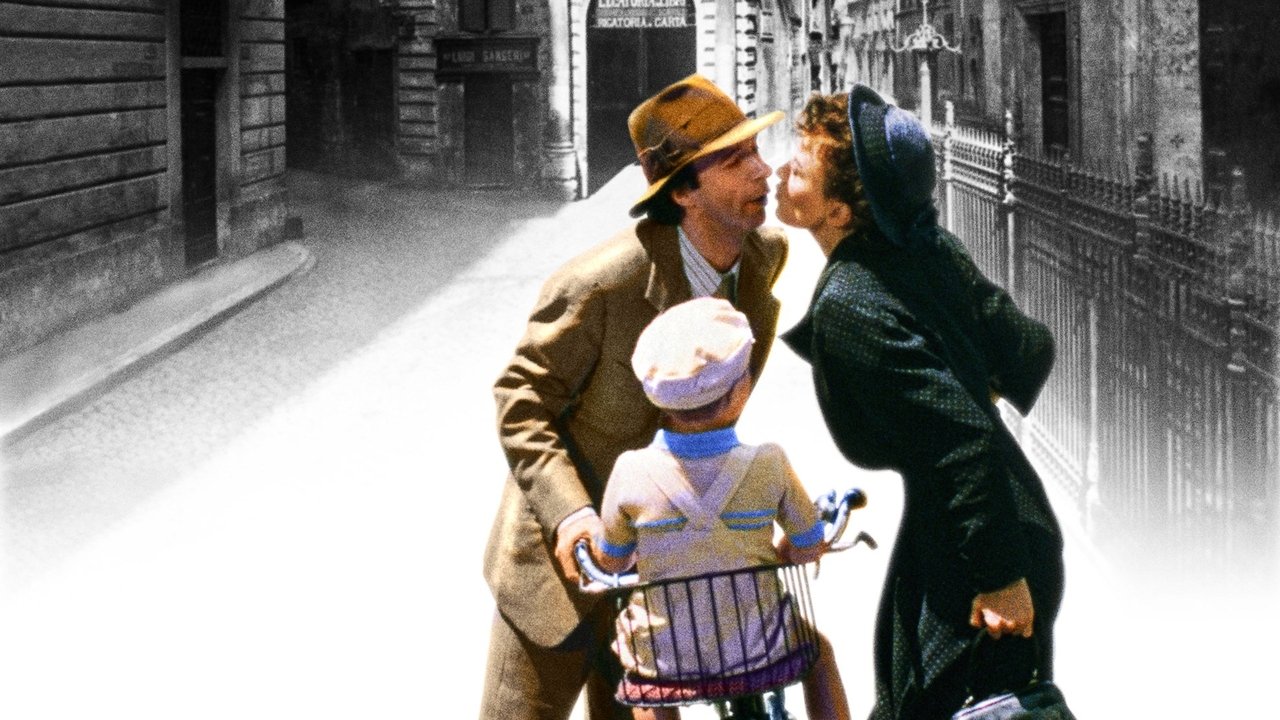
Life Is Beautiful
In 1939, in Fascist Italy, Guido Orefice (Roberto Benigni) is a young Italian Hebrew man who arrives to work in the city of Arezzo, in Tuscany, where his uncle Eliseo works in the restaurant of a hote…
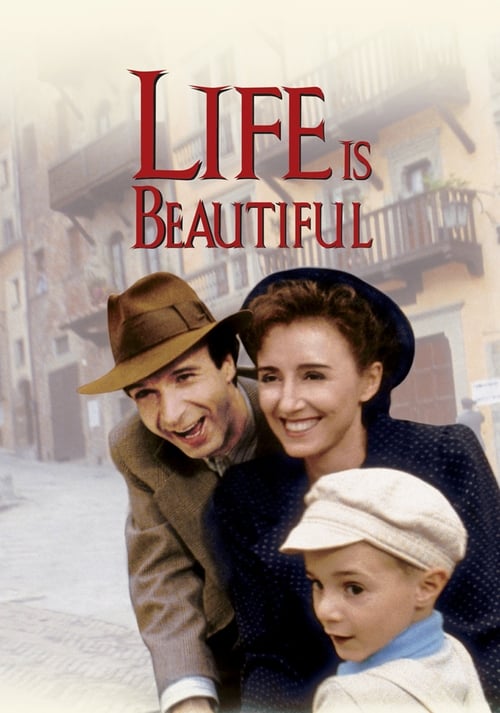
Life Is Beautiful
In 1939, in Fascist Italy, Guido Orefice (Roberto Benigni) is a young Italian Hebrew man who arrives to work in the city of Arezzo, in Tuscany, where his uncle Eliseo works in the restaurant of a hotel. Guido is comical and sharp, making the best from each situation he is encountered with. From the start he literally falls in love with Dora (Nicoletta Braschi). Later he sees her again in the city where she is a teacher. Dora is set to be engaged to a rich but arrogant man. He is a local government official with whom Guido has run-ins from the beginning. Guido is enamored by Dora and performs many stunts in order to see her. Guido sets up many "coincidental" incidents to show his interest. Finally, Dora sees Guido's affection and promise and gives in against her head. He steals her from her engagement party on a horse, humiliating her fiance and mother. Soon they are married and have a son, Giosue. Through the first part, the film depicts the changing political climate in Italy: Guido frequently imitates members of the National Fascist Party, skewering their racist logic and pseudo-scientific reasoning (at one point, jumping onto a table to demonstrate his "perfect Aryan bellybutton"). However, the growing Fascist wave is also evident: the horse Guido steals Dora away on has been painted green and covered in antisemitic insults. Later during World War II, after Dora and her mother have reconciled, Guido, his Uncle Eliseo (Giustino Durano) and Giosue (Giorgio Cantarini) are seized on Giosue's birthday. They and many other Hebrews are forced onto a train and taken to a concentration camp. After confronting a guard about her husband and son and being told there is no mistake, Dora volunteers to get on the train in order to be close to her family. However, as men and women are separated in the camp, Dora and Guido do not see each other during the internment. Guido pulls off various stunts, such as using the camp's loudspeaker to send messages-symbolic or literal-to Dora to assure her that he and their son are safe. Eliseo is murdered in a gas chamber shortly after their arrival. Giosue narrowly avoids being gassed himself as he hates to take baths and showers, and did not follow the other children when they had been ordered to enter the gas chambers and were told they were showers. In the camp, Guido hides their true situation from his son. Guido explains to Giosue that the camp is a complicated game in which Giosue must perform the tasks Guido gives him. Giosue is at times reluctant to go along with the game, but Guido convinces him each time to continue on. Guido sets up the concentration camp as a game for Giosue. Each of the tasks will earn them points and whoever gets to one thousand points first will win a tank. He tells him that if he cries, complains that he wants his mother, or says that he is hungry, he will lose points, while quiet boys who hide from the camp guards earn extra points. Guido uses this game to explain features of the concentration camp that would otherwise be scary for a young child: the guards are mean only because they want the tank for themselves; the dwindling numbers of children (who are being killed by the camp guards) are only hiding in order to score more points than Giosue so they can win the game. He puts off Giosue's requests to end the game and return home by convincing him that they are in the lead for the tank, and need only wait a short while before they can return home with their tank. Despite being surrounded by the misery, sickness, and death at the camp, Giosue does not question this fiction because of his father's convincing performance and his own innocence. At one point Guido takes advantage of the appearance of visiting German officers and their families to show Giosuè that other children are hiding as part of the game, and he also takes advantage of a German nanny thinking Giosuè is one of her charges in order to feed him as Guido serves the German officers. Guido and Giosuè are almost found out to be prisoners by another server when Giosuè accidentally says "thank you" in Italian upon being served a plate of dinner. But when the server returns with his superior, Guido is found teaching all of the German children how to say "Thank you" in Italian, effectively providing a ruse. Guido maintains this story right until the end when, in the chaos of shutting down the camp as the Americans approach, he tells his son to stay in a sweat-box until everybody has left, this being the final competition before the tank is his. As the camp is in chaos Guido goes off to find Dora, but while he is out, he is caught by a Nazi soldier. The soldier makes the decision to execute Guido. Guido is led off by the soldier to be executed. While the soldier is leading him to his death, Guido passes by Giosue one last time, still in character and playing the game. The next morning, Giosue emerges from the sweat-box as the camp is occupied by an American armored division. Giosue thinks he has won the game because Guido had told him that whoever got to one thousand points would get a tank. The soldiers free all of the captives in the concentration camp and lead them to a safer place. While they are traveling, the soldiers allow Giosue to ride on the front of the tank with them. During their travels, Giosue spots Dora in the procession leaving the camp. Giosue and Dora are reunited and are extremely happy to see each other. In the film, Giosue is a young boy; however, both the beginning and ending of the film are narrated by an older Giosue recalling his father's story of sacrifice for his family.
Life Is Beautiful
Comedy,Drama,Romance
Film Details

In 1939, in Fascist Italy, Guido Orefice (Roberto Benigni) is a young Italian Hebrew man who arrives to work in the city of Arezzo, in Tuscany, where his uncle Eliseo works in the restaurant of a hotel. Guido is comical and sharp, making the best from each situation he is encountered with. From the start he literally falls in love with Dora (Nicoletta Braschi).
Later he sees her again in the city where she is a teacher. Dora is set to be engaged to a rich but arrogant man. He is a local government official with whom Guido has run-ins from the beginning.
Guido is enamored by Dora and performs many stunts in order to see her. Guido sets up many "coincidental" incidents to show his interest. Finally, Dora sees Guido's affection and promise and gives in against her head.
He steals her from her engagement party on a horse, humiliating her fiance and mother. Soon they are married and have a son, Giosue. Through the first part, the film depicts the changing political climate in Italy: Guido frequently imitates members of the National Fascist Party, skewering their racist logic and pseudo-scientific reasoning (at one point, jumping onto a table to demonstrate his "perfect Aryan bellybutton").
However, the growing Fascist wave is also evident: the horse Guido steals Dora away on has been painted green and covered in antisemitic insults. Later during World War II, after Dora and her mother have reconciled, Guido, his Uncle Eliseo (Giustino Durano) and Giosue (Giorgio Cantarini) are seized on Giosue's birthday. They and many other Hebrews are forced onto a train and taken to a concentration camp.
After confronting a guard about her husband and son and being told there is no mistake, Dora volunteers to get on the train in order to be close to her family. However, as men and women are separated in the camp, Dora and Guido do not see each other during the internment. Guido pulls off various stunts, such as using the camp's loudspeaker to send messages-symbolic or literal-to Dora to assure her that he and their son are safe.
Eliseo is murdered in a gas chamber shortly after their arrival. Giosue narrowly avoids being gassed himself as he hates to take baths and showers, and did not follow the other children when they had been ordered to enter the gas chambers and were told they were showers. In the camp, Guido hides their true situation from his son.
Guido explains to Giosue that the camp is a complicated game in which Giosue must perform the tasks Guido gives him. Giosue is at times reluctant to go along with the game, but Guido convinces him each time to continue on. Guido sets up the concentration camp as a game for Giosue.
Each of the tasks will earn them points and whoever gets to one thousand points first will win a tank. He tells him that if he cries, complains that he wants his mother, or says that he is hungry, he will lose points, while quiet boys who hide from the camp guards earn extra points. Guido uses this game to explain features of the concentration camp that would otherwise be scary for a young child: the guards are mean only because they want the tank for themselves; the dwindling numbers of children (who are being killed by the camp guards) are only hiding in order to score more points than Giosue so they can win the game.
He puts off Giosue's requests to end the game and return home by convincing him that they are in the lead for the tank, and need only wait a short while before they can return home with their tank. Despite being surrounded by the misery, sickness, and death at the camp, Giosue does not question this fiction because of his father's convincing performance and his own innocence. At one point Guido takes advantage of the appearance of visiting German officers and their families to show Giosuè that other children are hiding as part of the game, and he also takes advantage of a German nanny thinking Giosuè is one of her charges in order to feed him as Guido serves the German officers.
Guido and Giosuè are almost found out to be prisoners by another server when Giosuè accidentally says "thank you" in Italian upon being served a plate of dinner. But when the server returns with his superior, Guido is found teaching all of the German children how to say "Thank you" in Italian, effectively providing a ruse. Guido maintains this story right until the end when, in the chaos of shutting down the camp as the Americans approach, he tells his son to stay in a sweat-box until everybody has left, this being the final competition before the tank is his.
As the camp is in chaos Guido goes off to find Dora, but while he is out, he is caught by a Nazi soldier. The soldier makes the decision to execute Guido. Guido is led off by the soldier to be executed.
While the soldier is leading him to his death, Guido passes by Giosue one last time, still in character and playing the game. The next morning, Giosue emerges from the sweat-box as the camp is occupied by an American armored division. Giosue thinks he has won the game because Guido had told him that whoever got to one thousand points would get a tank.
The soldiers free all of the captives in the concentration camp and lead them to a safer place. While they are traveling, the soldiers allow Giosue to ride on the front of the tank with them. During their travels, Giosue spots Dora in the procession leaving the camp.
Giosue and Dora are reunited and are extremely happy to see each other. In the film, Giosue is a young boy; however, both the beginning and ending of the film are narrated by an older Giosue recalling his father's story of sacrifice for his family..