


Muktir Kotha
After the documentary movie Muktir Gaan (1995), few teenagers visiting in some independence war 71' devastated villages in search of some real scary stories of the days of the war. The release of Mukt…
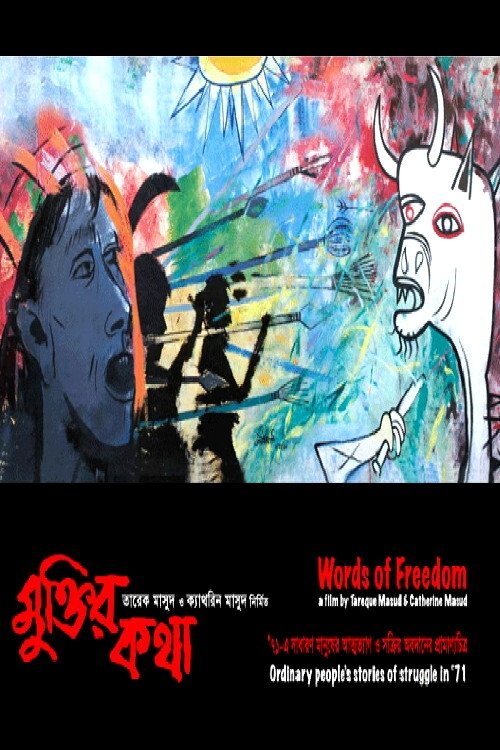
Muktir Kotha
After the documentary movie Muktir Gaan (1995), few teenagers visiting in some independence war 71' devastated villages in search of some real scary stories of the days of the war. The release of Muktir Gaan in 1995 led the Masuds on a 3-year journey through the small towns and village backwaters of the country as part of a self-styled 'cinema caravan', whose aim was to bring the history of the 1971 Liberation War to the people. Muktir Kotha became an incidental byproduct of that journey, growing out of the dialectical relationship the Masuds had with their audience, who continually caused them to question and re-evaluate their own work, and in particular, the version of nationhood portrayed in Muktir Gaan. Outside the capital city, their audiences were the poor, the disenfranchised, the marginalized minorities, peasants and women. Where was their history represented? With Muktir Kotha, the audience became the protagonists of an oral history from a subaltern view. Muktir Kotha looks beyond the idealized euphoria of liberation from Pakistan, to expose the reality of post-independence Bangladesh, with its broken promises of a more egalitarian, democratic and secular society.
Muktir Kotha
Documentary
Film Details
After the documentary movie Muktir Gaan (1995), few teenagers visiting in some independence war 71' devastated villages in search of some real scary stories of the days of the war. The release of Muktir Gaan in 1995 led the Masuds on a 3-year journey through the small towns and village backwaters of the country as part of a self-styled 'cinema caravan', whose aim was to bring the history of the 1971 Liberation War to the people. Muktir Kotha became an incidental byproduct of that journey, growing out of the dialectical relationship the Masuds had with their audience, who continually caused them to question and re-evaluate their own work, and in particular, the version of nationhood portrayed in Muktir Gaan.
Outside the capital city, their audiences were the poor, the disenfranchised, the marginalized minorities, peasants and women. Where was their history represented? With Muktir Kotha, the audience became the protagonists of an oral history from a subaltern view. Muktir Kotha looks beyond the idealized euphoria of liberation from Pakistan, to expose the reality of post-independence Bangladesh, with its broken promises of a more egalitarian, democratic and secular society..