


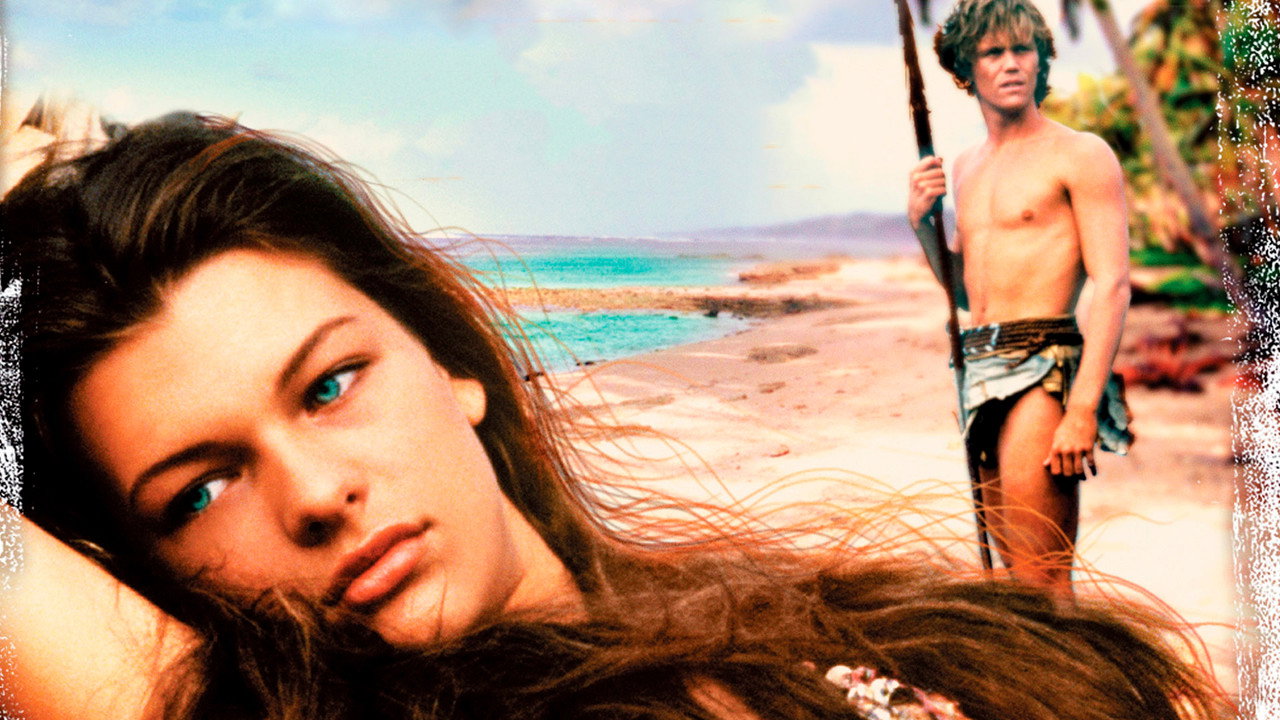
Return to the Blue Lagoon
During the Victorian period, two adoptive siblings are marooned on a tropical island in the South Pacific and enjoy a simple life together before they become suntanned teenagers in love. While the gen…
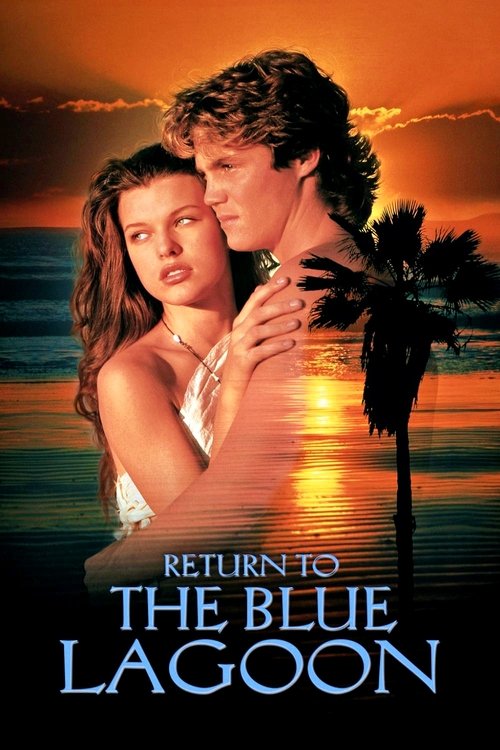
Return to the Blue Lagoon
During the Victorian period, two adoptive siblings are marooned on a tropical island in the South Pacific and enjoy a simple life together before they become suntanned teenagers in love. While the general theme of this film resembles "The Blue Lagoon" (the film for which this is a sequel), the basic plot is quite different. We open the film with a ship finding the craft with our original characters in it, Richard and Emmeline dead and Paddy alive. Established in the first film, the only word Paddy ever says is "Richard", so the crew assumes Richard is the infant's name. Taken in by Sarah, a widow with an infant baby girl Lilli, Richard (Paddy) is cared for in a return to civilization. Struck by cholera, the crew of the ship start to die and the captain sets Sarah, Richard, Lilli and a healthy crew member on a lifeboat in an attempt to preserve their lives. With water and food running short, the crew member escorting Sarah and the children becomes dangerous, so Sarah takes the only course of action she feels suitable to preserve the children: she strikes him and throws him overboard. Taking control of the small craft, she eventually guides them back to the island of the first film. Recognizing where he is, the infant Richard finds his home and is very unhappy not to find his parents. Fixing up the hut and settling in the children, Sarah begins their life on the island, slowly teaching the children survival tools, as well as schooling them as though they were in school, and teaching them slowly about the facts of life, including Lilli's eventual growth to womanhood. When Sarah dies from pneumonia, she leaves the children far more prepared than Richard and Emmeline in the first film. Years later as the children grow into teenagers, the film skims the same themes as the first of their developing relationship, and introduces the characters to civilization when a ship, low on fresh water, stops on their island and offers to take them home. After a confrontation with one of the crew and the captain's daughter, Lilli finds herself pregnant and they decide to stay, as they feel the civilization the visitors have to offer will not compare to the life they lead on the island. —Bree Pearson When two young lovers, Richard and Emmeline Lestrange, lose their lives in the South Pacific, they leave a young son behind. A young widow and her daughter rescue the orphan, but through tragic circumstances, the children are stranded on a tropical island. As days become years, Richard Lestrange and Lilli Hargrave have no experience in the civilized world, but they experience the blissful awakening of tender young love. But their rapture is violently interrupted by the crew of a passing ship, including the captain's daughter, and the temptations that they bring. Their dreams of returning to civilized society quickly vanish when their hearts tell them that nothing is worth sacrificing the purest of loves. —Sony Pictures Home Entertainment
Return to the Blue Lagoon
Adventure,Drama,Romance
Film Details


During the Victorian period, two adoptive siblings are marooned on a tropical island in the South Pacific and enjoy a simple life together before they become suntanned teenagers in love. While the general theme of this film resembles "The Blue Lagoon" (the film for which this is a sequel), the basic plot is quite different. We open the film with a ship finding the craft with our original characters in it, Richard and Emmeline dead and Paddy alive.
Established in the first film, the only word Paddy ever says is "Richard", so the crew assumes Richard is the infant's name. Taken in by Sarah, a widow with an infant baby girl Lilli, Richard (Paddy) is cared for in a return to civilization. Struck by cholera, the crew of the ship start to die and the captain sets Sarah, Richard, Lilli and a healthy crew member on a lifeboat in an attempt to preserve their lives.
With water and food running short, the crew member escorting Sarah and the children becomes dangerous, so Sarah takes the only course of action she feels suitable to preserve the children: she strikes him and throws him overboard. Taking control of the small craft, she eventually guides them back to the island of the first film. Recognizing where he is, the infant Richard finds his home and is very unhappy not to find his parents.
Fixing up the hut and settling in the children, Sarah begins their life on the island, slowly teaching the children survival tools, as well as schooling them as though they were in school, and teaching them slowly about the facts of life, including Lilli's eventual growth to womanhood. When Sarah dies from pneumonia, she leaves the children far more prepared than Richard and Emmeline in the first film. Years later as the children grow into teenagers, the film skims the same themes as the first of their developing relationship, and introduces the characters to civilization when a ship, low on fresh water, stops on their island and offers to take them home.
After a confrontation with one of the crew and the captain's daughter, Lilli finds herself pregnant and they decide to stay, as they feel the civilization the visitors have to offer will not compare to the life they lead on the island. —Bree Pearson When two young lovers, Richard and Emmeline Lestrange, lose their lives in the South Pacific, they leave a young son behind. A young widow and her daughter rescue the orphan, but through tragic circumstances, the children are stranded on a tropical island.
As days become years, Richard Lestrange and Lilli Hargrave have no experience in the civilized world, but they experience the blissful awakening of tender young love. But their rapture is violently interrupted by the crew of a passing ship, including the captain's daughter, and the temptations that they bring. Their dreams of returning to civilized society quickly vanish when their hearts tell them that nothing is worth sacrificing the purest of loves.
—Sony Pictures Home Entertainment.