


The Deathmaker
Fritz Haarmann, who killed at least 27 boys, is questioned by a psychology professor to find out if he is sane and can be held responsible for his crimes. During the interview, he reveals his motives.…
The Deathmaker
Fritz Haarmann, who killed at least 27 boys, is questioned by a psychology professor to find out if he is sane and can be held responsible for his crimes. During the interview, he reveals his motives. Fritz Haarmann, who has killed at least 27 boys, is questioned by a psychology professor in order to find out whether he is sane and can be held responsible for his crimes. During this interrogation Haarmann reveals his motives and his killing methods. —Robert Zeithammel In 1924 - when Friedrich Wilhelm Murnau's "The Last Laugh" is made, Thomas Mann's "The Magic Mountain" appears, and Adolf Hitler is charged in Munich with high treason - a criminal case in Hannover causes a stir among the German public. The businessman Fritz Haarmann admits to having killed 24 young men and having cut up their bodies. He rejects the accusation of cannibalism. The psychiatric report, which is to clarify the question of Haarmann's soundness of mind, is commissioned from Professor Dr. Ernst Schulze. In August 1924, six weeks of examinations begin in the Provincial Mental Asylum in Goettingen. The conversations are recorded by a stenographer and serve as the basis for this film. The texts are authentically reproduced. The film takes place entirely in the examination room of Professor Schulze. —German Films Service & Marketing GmbH Over the course of several weeks in 1924, Professor Ernst Schultze conducted interviews with the notorious mass murderer Fritz Haarmann for the purpose of a forensic psychiatric examination. The film traces this examination on the basis of the original transcripts. With extensive questions about Haarmann's person, his development and his motives for the crime, Professor Schultze tried to get a picture of the sanity of the mass murderer, who had killed 24 young men in Hanover and dismembered their bodies. —ARD
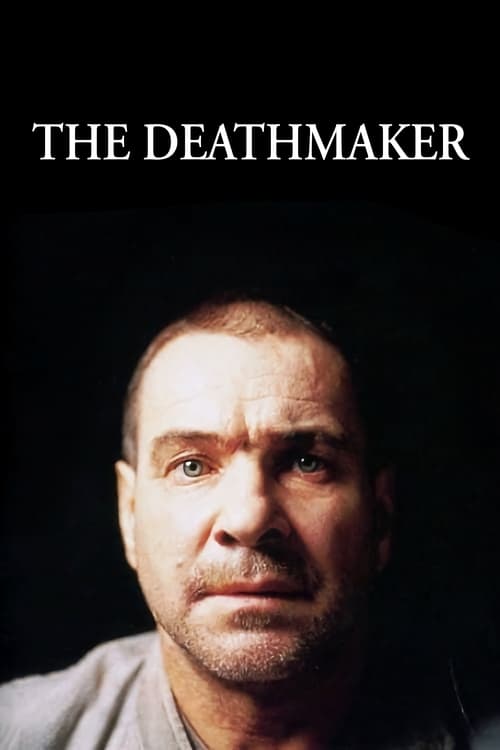
The Deathmaker
Crime,Drama
Film Details
Fritz Haarmann, who killed at least 27 boys, is questioned by a psychology professor to find out if he is sane and can be held responsible for his crimes. During the interview, he reveals his motives. Fritz Haarmann, who has killed at least 27 boys, is questioned by a psychology professor in order to find out whether he is sane and can be held responsible for his crimes.
During this interrogation Haarmann reveals his motives and his killing methods. —Robert Zeithammel In 1924 - when Friedrich Wilhelm Murnau's "The Last Laugh" is made, Thomas Mann's "The Magic Mountain" appears, and Adolf Hitler is charged in Munich with high treason - a criminal case in Hannover causes a stir among the German public. The businessman Fritz Haarmann admits to having killed 24 young men and having cut up their bodies.
He rejects the accusation of cannibalism. The psychiatric report, which is to clarify the question of Haarmann's soundness of mind, is commissioned from Professor Dr. Ernst Schulze.
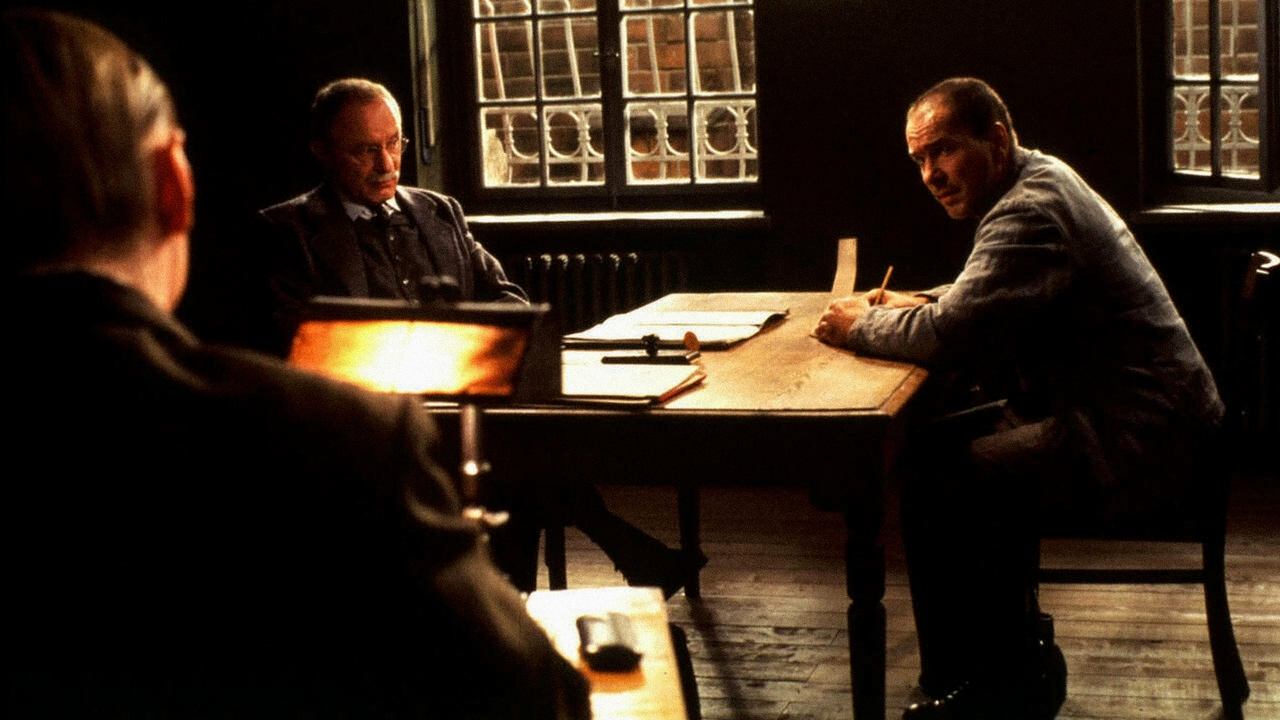
In August 1924, six weeks of examinations begin in the Provincial Mental Asylum in Goettingen. The conversations are recorded by a stenographer and serve as the basis for this film. The texts are authentically reproduced.
The film takes place entirely in the examination room of Professor Schulze. —German Films Service & Marketing GmbH Over the course of several weeks in 1924, Professor Ernst Schultze conducted interviews with the notorious mass murderer Fritz Haarmann for the purpose of a forensic psychiatric examination. The film traces this examination on the basis of the original transcripts.
With extensive questions about Haarmann's person, his development and his motives for the crime, Professor Schultze tried to get a picture of the sanity of the mass murderer, who had killed 24 young men in Hanover and dismembered their bodies. —ARD.