


The Great Waltz
In 1844, while conducting his orchestra at the Zoegernitz ballroom, famed Viennese composer Johann Strauss Sr. (Nigel Patrick) is confronted by his estranged wife Anna (Yvonne Mitchell). Although Anna…

The Great Waltz
In 1844, while conducting his orchestra at the Zoegernitz ballroom, famed Viennese composer Johann Strauss Sr. (Nigel Patrick) is confronted by his estranged wife Anna (Yvonne Mitchell). Although Anna long ago resigned herself to Johann's openly flaunted affairs, she will not tolerate his latest affront, giving his illegitimate son with Emilie Trampusch (Susan Robinson) the same name as Anna's 19-year-old son, Johann Strauss, Jr. (Horst Buchholz). While they argue, Emilie arrives and adamantly refuses to change her son's name, prompting Anna to tell her husband that her own Johann, whom they call "Schani," has become an accomplished musician and composer, over the objections of his father, who has forbidden his son's musical career. On the way home, Anna tells Schani that, in retaliation for Johann, Sr.'s insult, he must perform at Dommayer's, another popular Viennese ballroom, but one at which his father has never played. Although Dommayer initially refuses to hire the boy, Schani and his friends chase him through the streets of Vienna, playing one of Schani's compositions. Dommayer finally relents, then shrewdly places newspaper ads announcing the performance of "Johann Strauss" in large letters, with "Jr." in very small letters. The ad fuels reports of a feud between father and son, prompting even more people to attend Schani's opening night performance. The boy makes a bad first selection that bores the audience, then is heckled loudly by men reluctantly hired by his father's manager. Touched by Schani's plight, famed opera singer Jetty Treffz, who is in the audience with her lover, Baron Tedesco (Rossano Brazzi), goes backstage to encourage him to return and play one of his own compositions. After Schani bravely retakes the stage, he conducts "The Acceleration Waltz," which is so well received that the hecklers are silenced. The next night, after the manager has proudly reported Schani's successful debut, Johann, Sr. goes to Dommayer's, but stands outside the window as Schani pays homage to the greatness of his father by conducting Johann, Sr.'s "The Radetzkymarsch." A few years later, after Johann, Sr. has died from scarlet fever, Schani takes over his father's orchestra at the Zoegernitz. While Schani's wealth and fame have grown over the years, as has the number of women with whom he has had affairs, Anna yearns for him to settle down. One night, while performing at the Zoegernitz, Schani again meets Jetty and the two are immediately drawn to each other. Although the baron senses the attraction, he pretends not to mind when Schani and Jetty dance a romantic waltz together. Days later, Schani confesses to Anna that he is enchanted by Jetty, but Anna worries that Jetty, who is ten years older than Schani and whose affair with the baron is a Viennese scandal, will ruin his career. At the same time, when the baron, who has been with Jetty for many years, tells her that they must leave immediately for a business trip to London, Jetty says that she must stay to fulfill a promise to Schani to sing at a reception in his honor. They soon become lovers, and when the baron returns, Jetty tells him that she will be marrying Schani. Although heartbroken, and worried that the age difference between Schani and Jetty eventually will ruin the marriage, the baron offers to take care of her financially. However, Jetty, who remains fond of the baron, refuses to take anything from him. On their wedding day, Schani and Jetty's happiness is tempered by Anna's refusal to attend because she regards Jetty as a fortune hunter. When the baron learns this, he secretly implores Anna to attend the wedding, saying that he loves Jetty too much to see her hurt and revealing that Jetty has refused all of his offers of money. Anna then rushes to the church and warmly embraces Jetty, asking for her forgiveness. As the years pass, Schani's fame and success increase, in large measure due to Jetty's help and encouragement. Although Schani and Jetty remain close, she finds it increasingly difficult to hide her advancing age, and he has started to see younger women. In 1867, when Schani receives an invitation to conduct at a prestigious Paris exhibition, he asks Jetty to accompany him. Because Anna senses that she is reluctant to go to Paris, Jetty confesses that she not only fears Schani's affairs, but also that he will discover her long-held secret, that she has an illegitimate son named Karl, who is living in Paris. One afternoon in Paris, Karl approaches Jetty for money. Frightened that Schani will learn the truth, she asks Karl to come to her hotel while Schani meets Princess Pauline Metternich (Paola Loew), who will host the Paris exhibition. When Karl comes to the hotel, he tells Jetty that he must have money or go to prison and threatens to let Schani know that he is her son unless she helps him. With no other choice, Jetty promises to help, and soon begins taking money from Schani's accounts. Although the waltz that Schani played at the exhibition, "On the Beautiful Blue Danube," partially based on a melody written by his father, becomes the biggest popular and financial success of his career, Schani's accountant informs him that the money has all been withdrawn by Jetty. Enraged when Jetty says that she used the money for clothes and furnishings, Schani goes to a tavern to drink and carouse with a younger woman. When he returns home, Jetty convinces Schani to complete an opera which he has been thinking about for many years. Within six weeks, he completes Die fledermaus, which is hailed after its Vienna opening. Jetty's joy over Schani's triumph is ruined when Karl again asks for a large sum of money. Realizing that Karl will never stop, she refuses, and turns down the baron's offer of help. The next day, Karl goes to Schani and tells him everything. As Schani is confronting Jetty, telling her that Karl is a scoundrel, he discovers that the baron has sent Jetty the money Karl requested. Schani immediately calls Jetty a harlot, after which she decides to leave him. When Schani's brother Josef, who knew of Jetty's secret, arrives he cannot prevent Jetty from leaving for the train station, but forces Schani to read the note from the baron, which reveals that he sent the money with the hope of preserving Jetty's happiness with Schani. After Josef chastises him for his stubbornness, Schani rushes off to the train station, arriving in time to stop Jetty and beg her forgiveness. In 1872, Schani and Jetty attend the World's Peace Jubilee in Boston, where Schani conducts "On the Beautiful Blue Danube" before a crowd of 100,000 people.
The Great Waltz
Biography,Drama,Music
Film Details
In 1844, while conducting his orchestra at the Zoegernitz ballroom, famed Viennese composer Johann Strauss Sr. (Nigel Patrick) is confronted by his estranged wife Anna (Yvonne Mitchell). Although Anna long ago resigned herself to Johann's openly flaunted affairs, she will not tolerate his latest affront, giving his illegitimate son with Emilie Trampusch (Susan Robinson) the same name as Anna's 19-year-old son, Johann Strauss, Jr.
(Horst Buchholz). While they argue, Emilie arrives and adamantly refuses to change her son's name, prompting Anna to tell her husband that her own Johann, whom they call "Schani," has become an accomplished musician and composer, over the objections of his father, who has forbidden his son's musical career. On the way home, Anna tells Schani that, in retaliation for Johann, Sr.'s insult, he must perform at Dommayer's, another popular Viennese ballroom, but one at which his father has never played.
Although Dommayer initially refuses to hire the boy, Schani and his friends chase him through the streets of Vienna, playing one of Schani's compositions. Dommayer finally relents, then shrewdly places newspaper ads announcing the performance of "Johann Strauss" in large letters, with "Jr." in very small letters. The ad fuels reports of a feud between father and son, prompting even more people to attend Schani's opening night performance.
The boy makes a bad first selection that bores the audience, then is heckled loudly by men reluctantly hired by his father's manager. Touched by Schani's plight, famed opera singer Jetty Treffz, who is in the audience with her lover, Baron Tedesco (Rossano Brazzi), goes backstage to encourage him to return and play one of his own compositions. After Schani bravely retakes the stage, he conducts "The Acceleration Waltz," which is so well received that the hecklers are silenced.
The next night, after the manager has proudly reported Schani's successful debut, Johann, Sr. goes to Dommayer's, but stands outside the window as Schani pays homage to the greatness of his father by conducting Johann, Sr.'s "The Radetzkymarsch." A few years later, after Johann, Sr. has died from scarlet fever, Schani takes over his father's orchestra at the Zoegernitz.
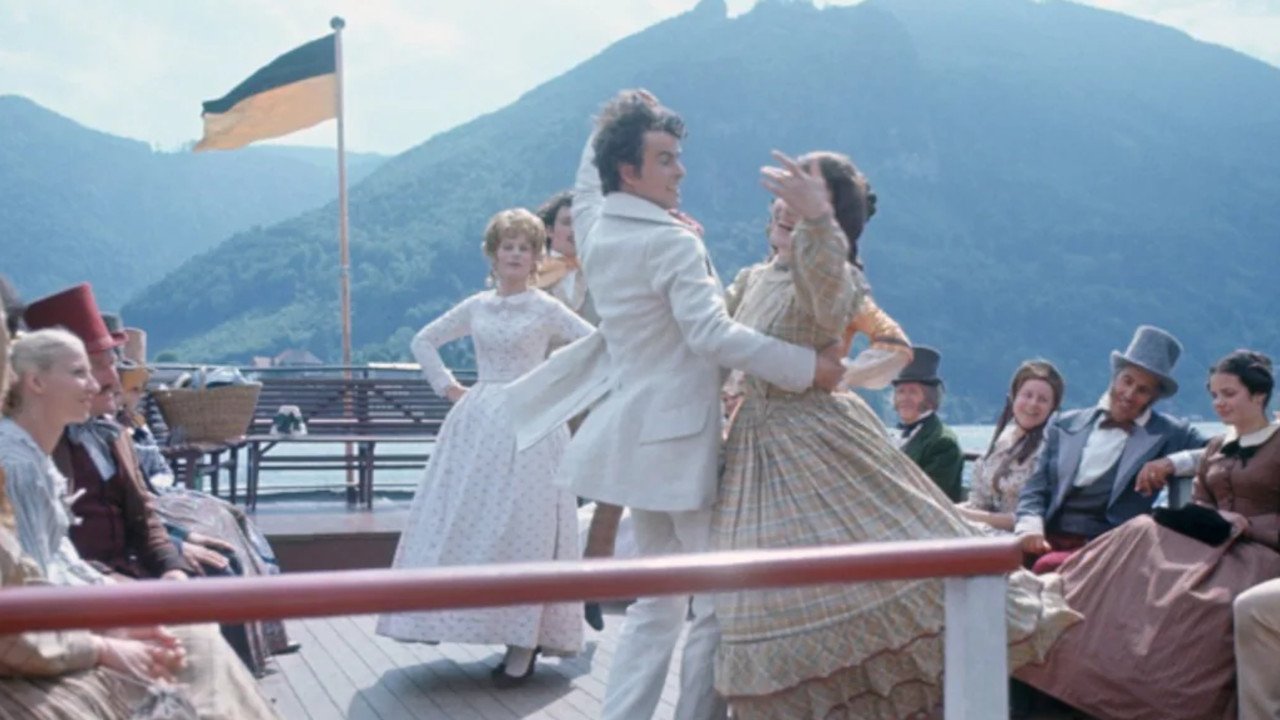
While Schani's wealth and fame have grown over the years, as has the number of women with whom he has had affairs, Anna yearns for him to settle down. One night, while performing at the Zoegernitz, Schani again meets Jetty and the two are immediately drawn to each other. Although the baron senses the attraction, he pretends not to mind when Schani and Jetty dance a romantic waltz together.
Days later, Schani confesses to Anna that he is enchanted by Jetty, but Anna worries that Jetty, who is ten years older than Schani and whose affair with the baron is a Viennese scandal, will ruin his career. At the same time, when the baron, who has been with Jetty for many years, tells her that they must leave immediately for a business trip to London, Jetty says that she must stay to fulfill a promise to Schani to sing at a reception in his honor. They soon become lovers, and when the baron returns, Jetty tells him that she will be marrying Schani.
Although heartbroken, and worried that the age difference between Schani and Jetty eventually will ruin the marriage, the baron offers to take care of her financially. However, Jetty, who remains fond of the baron, refuses to take anything from him. On their wedding day, Schani and Jetty's happiness is tempered by Anna's refusal to attend because she regards Jetty as a fortune hunter.
When the baron learns this, he secretly implores Anna to attend the wedding, saying that he loves Jetty too much to see her hurt and revealing that Jetty has refused all of his offers of money. Anna then rushes to the church and warmly embraces Jetty, asking for her forgiveness. As the years pass, Schani's fame and success increase, in large measure due to Jetty's help and encouragement.
Although Schani and Jetty remain close, she finds it increasingly difficult to hide her advancing age, and he has started to see younger women. In 1867, when Schani receives an invitation to conduct at a prestigious Paris exhibition, he asks Jetty to accompany him. Because Anna senses that she is reluctant to go to Paris, Jetty confesses that she not only fears Schani's affairs, but also that he will discover her long-held secret, that she has an illegitimate son named Karl, who is living in Paris.
One afternoon in Paris, Karl approaches Jetty for money. Frightened that Schani will learn the truth, she asks Karl to come to her hotel while Schani meets Princess Pauline Metternich (Paola Loew), who will host the Paris exhibition. When Karl comes to the hotel, he tells Jetty that he must have money or go to prison and threatens to let Schani know that he is her son unless she helps him.
With no other choice, Jetty promises to help, and soon begins taking money from Schani's accounts. Although the waltz that Schani played at the exhibition, "On the Beautiful Blue Danube," partially based on a melody written by his father, becomes the biggest popular and financial success of his career, Schani's accountant informs him that the money has all been withdrawn by Jetty. Enraged when Jetty says that she used the money for clothes and furnishings, Schani goes to a tavern to drink and carouse with a younger woman.
When he returns home, Jetty convinces Schani to complete an opera which he has been thinking about for many years. Within six weeks, he completes Die fledermaus, which is hailed after its Vienna opening. Jetty's joy over Schani's triumph is ruined when Karl again asks for a large sum of money.
Realizing that Karl will never stop, she refuses, and turns down the baron's offer of help. The next day, Karl goes to Schani and tells him everything. As Schani is confronting Jetty, telling her that Karl is a scoundrel, he discovers that the baron has sent Jetty the money Karl requested.
Schani immediately calls Jetty a harlot, after which she decides to leave him. When Schani's brother Josef, who knew of Jetty's secret, arrives he cannot prevent Jetty from leaving for the train station, but forces Schani to read the note from the baron, which reveals that he sent the money with the hope of preserving Jetty's happiness with Schani. After Josef chastises him for his stubbornness, Schani rushes off to the train station, arriving in time to stop Jetty and beg her forgiveness.
In 1872, Schani and Jetty attend the World's Peace Jubilee in Boston, where Schani conducts "On the Beautiful Blue Danube" before a crowd of 100,000 people..