


The Human Clay
A marital conflict comes to court and becomes public comment. Courtroom drama; Eduardo, a wealthy, upper-class man, is accused of attempting to kill his wife, Mercedes, with a gunshot wound. Eduardo r…
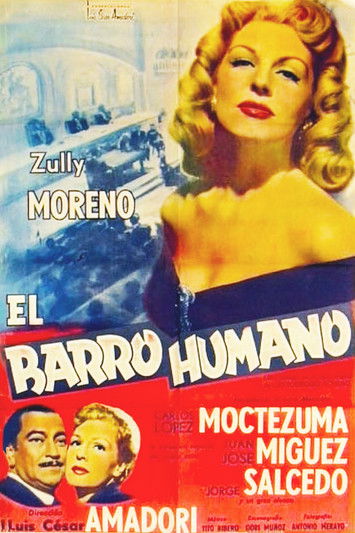
The Human Clay
A marital conflict comes to court and becomes public comment. Courtroom drama; Eduardo, a wealthy, upper-class man, is accused of attempting to kill his wife, Mercedes, with a gunshot wound. Eduardo refuses to testify and pleads guilty, leaving the court to determine through witness testimony whether the crime was an accident or intentional in a fit of jealousy. Previously, the couple and their young children had been living a life of complete happiness and harmony until Eduardo brings home Octavio, a friend who is experiencing serious financial difficulties. Octavio's arrival disconcerts Mercedes, given that Octavio had been her lover before she married Eduardo. Both remain silent so that Eduardo does not find out about their youthful passion. Eduardo, ignoring this, offers Octavio the role of piano teacher for her children, which Mercedes objects to, as she has nothing to do with Octavio and wants him to leave her home to prevent him from interfering with the tranquility of her life. But Elisa, Octavio's wife, who knows about this past love, lets Eduardo know, who suffers a hard blow and, believing that Mercedes and Octavio still love each other, wants a divorce and leaves the house. Having learned of what has happened, Octavio arrives one night at Mercedes's house to apologize for the harm Elisa has caused and to tell her that he will leave her life forever and that she will never see him again. Eduardo arrives unexpectedly and Mercedes tries to get Octavio to escape without being seen by Eduardo, but he, who has a firearm, in the midst of a fit of jealousy, reproaches Mercedes, and the shot that wounds her is fired. The events become public, plunging the family into a scandal that mortifies and separates them; but the facts take an unexpected turn when the couple's young children manage to speak with the President of the Court, which will influence the sentence that is handed down. —Humberto Lucero, Buenos Aires, Argentina
The Human Clay
Drama,Romance
Film Details
A marital conflict comes to court and becomes public comment. Courtroom drama; Eduardo, a wealthy, upper-class man, is accused of attempting to kill his wife, Mercedes, with a gunshot wound. Eduardo refuses to testify and pleads guilty, leaving the court to determine through witness testimony whether the crime was an accident or intentional in a fit of jealousy.
Previously, the couple and their young children had been living a life of complete happiness and harmony until Eduardo brings home Octavio, a friend who is experiencing serious financial difficulties. Octavio's arrival disconcerts Mercedes, given that Octavio had been her lover before she married Eduardo. Both remain silent so that Eduardo does not find out about their youthful passion.
Eduardo, ignoring this, offers Octavio the role of piano teacher for her children, which Mercedes objects to, as she has nothing to do with Octavio and wants him to leave her home to prevent him from interfering with the tranquility of her life. But Elisa, Octavio's wife, who knows about this past love, lets Eduardo know, who suffers a hard blow and, believing that Mercedes and Octavio still love each other, wants a divorce and leaves the house. Having learned of what has happened, Octavio arrives one night at Mercedes's house to apologize for the harm Elisa has caused and to tell her that he will leave her life forever and that she will never see him again.
Eduardo arrives unexpectedly and Mercedes tries to get Octavio to escape without being seen by Eduardo, but he, who has a firearm, in the midst of a fit of jealousy, reproaches Mercedes, and the shot that wounds her is fired. The events become public, plunging the family into a scandal that mortifies and separates them; but the facts take an unexpected turn when the couple's young children manage to speak with the President of the Court, which will influence the sentence that is handed down. —Humberto Lucero, Buenos Aires, Argentina.