


The Last Stitch
The cheongsam was once the daily attire of all Chinese women, no matter what their size or shape. Under the skilled hands of a tailor, even an ordinary piece of fabric could be shaped into a beautiful…
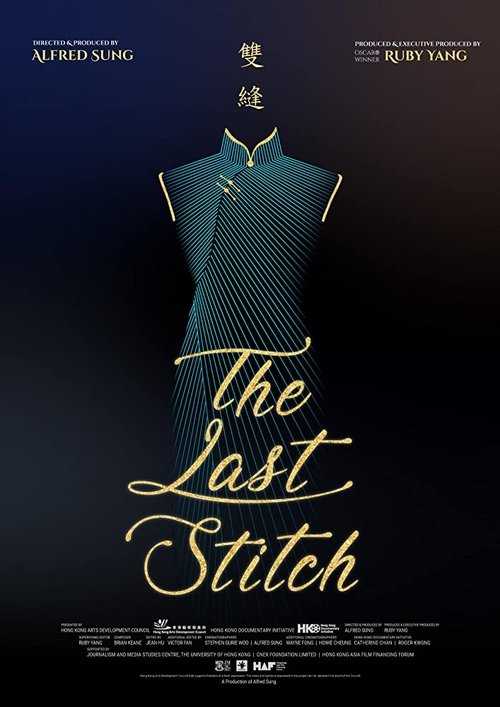
The Last Stitch
The cheongsam was once the daily attire of all Chinese women, no matter what their size or shape. Under the skilled hands of a tailor, even an ordinary piece of fabric could be shaped into a beautiful garment that transformed the wearer into an elegant figure. Each button, sleeve, and collar were testament to the accomplishments of these traditional craftsmen. Shanghai was once the capital of the cheongsam and base to many a master tailor. But during the unstable years of the Communist Revolution, many of these skilled craftsmen fled to Hong Kong. One of those forced to relocate was Master Sung and his family, including his son Tommy. Growing up in the trade, Tommy was apprenticed to his father as soon as he was old enough, learning the skills of the two generations of tailors who'd come before him. When his father passed away, Tommy worked hard with his wife Connie to keep the family business going, despite the growth of the mass-produced garment industry. Like many of those who had come of age in a Hong Kong ruled over by the British, the imminent handover of sovereignty to China in 1997 greatly worried Tommy and Connie. Unwilling to face the instability this promised, they decided to emigrate to Canada in 1996. Arriving in a foreign land with their two sons, the couple made good use of their tailoring skills, rebuilding their family business from the ground up. Twenty years on, they're now ready to retire. But what will happen to the traditional skills that have been in their family for three generations? Are their sons interested in this inheritance? In 2016, Tommy and Connie's eldest son, Alfred, decided to return to the family home in Toronto from Hong Kong to explore his family's story and find out what the future holds. It's a story that takes us from Shanghai to Hong Kong and Toronto, reflecting the history of the Chinese diaspora as well as the rise and fall of traditional craftsmanship.
The Last Stitch
Documentary
Film Details
The cheongsam was once the daily attire of all Chinese women, no matter what their size or shape. Under the skilled hands of a tailor, even an ordinary piece of fabric could be shaped into a beautiful garment that transformed the wearer into an elegant figure. Each button, sleeve, and collar were testament to the accomplishments of these traditional craftsmen.
Shanghai was once the capital of the cheongsam and base to many a master tailor. But during the unstable years of the Communist Revolution, many of these skilled craftsmen fled to Hong Kong. One of those forced to relocate was Master Sung and his family, including his son Tommy.
Growing up in the trade, Tommy was apprenticed to his father as soon as he was old enough, learning the skills of the two generations of tailors who'd come before him. When his father passed away, Tommy worked hard with his wife Connie to keep the family business going, despite the growth of the mass-produced garment industry. Like many of those who had come of age in a Hong Kong ruled over by the British, the imminent handover of sovereignty to China in 1997 greatly worried Tommy and Connie.
Unwilling to face the instability this promised, they decided to emigrate to Canada in 1996. Arriving in a foreign land with their two sons, the couple made good use of their tailoring skills, rebuilding their family business from the ground up. Twenty years on, they're now ready to retire.
But what will happen to the traditional skills that have been in their family for three generations? Are their sons interested in this inheritance? In 2016, Tommy and Connie's eldest son, Alfred, decided to return to the family home in Toronto from Hong Kong to explore his family's story and find out what the future holds. It's a story that takes us from Shanghai to Hong Kong and Toronto, reflecting the history of the Chinese diaspora as well as the rise and fall of traditional craftsmanship..