


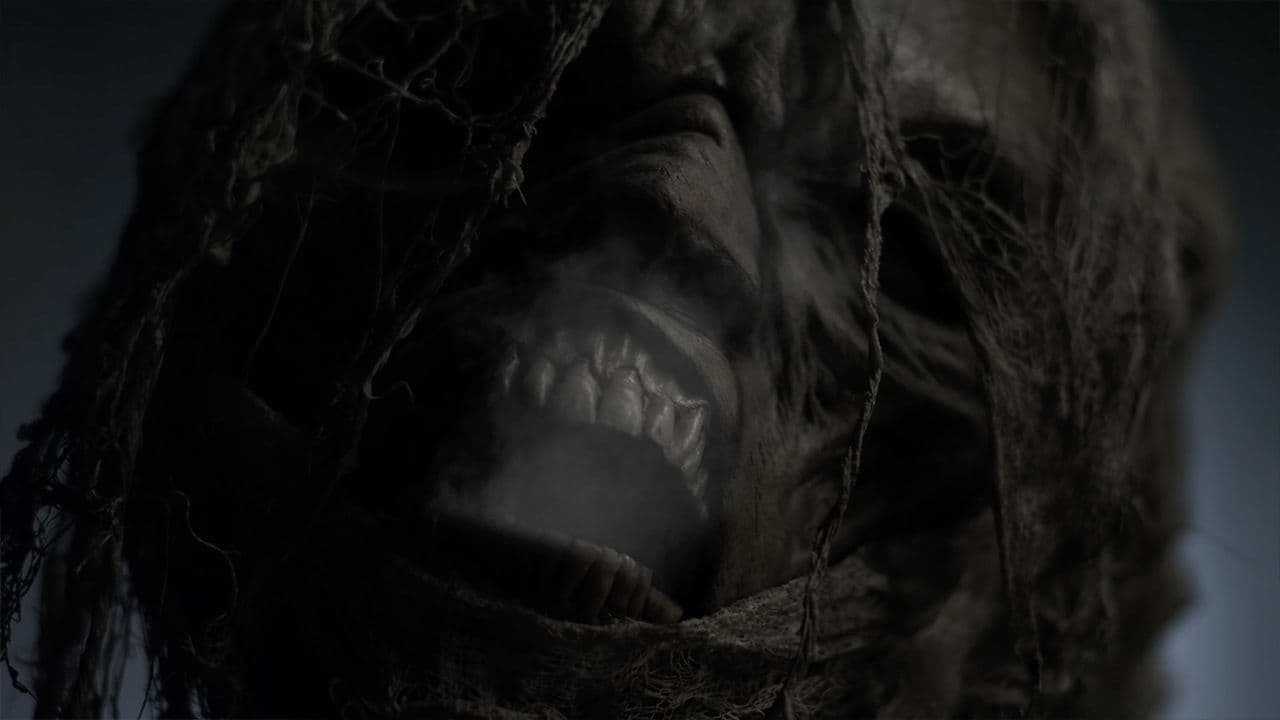
The Mummy Resurrected
"A Third Way - Settlers and Palestinians as Neighbors" is the only feature documentary on the notorious and unique Israeli "settler rabbi for peace", Rabbi Menachem Froman. The story also features his…

The Mummy Resurrected
"A Third Way - Settlers and Palestinians as Neighbors" is the only feature documentary on the notorious and unique Israeli "settler rabbi for peace", Rabbi Menachem Froman. The story also features his proteges, both settlers and Palestinians, including the well-known Palestinian activist, Ali Abu Awwad. "A Third Way" tells a gripping story about the power of building intercultural and interfaith trust on a grassroots level. Rabbi Froman, the "patriarch" of the story, was the Head Rabbi of Tekoa settlement for more than 30 years. But at the same time, he developed a close friendship with Yasser Arafat (visiting Arafat on every Muslim holiday), and most controversially, he had many meetings with Sheikh Yassin, the founder of Hamas (Yassin was eventually assassinated by the Israeli Air Force in 2004). We watch as Froman makes a sympathy visit to a West Bank Palestinian village whose mosque had been vandalized the night before in a "price tag" attack by extremist settlers (who rolled in burning tires, and sprayed graffiti, "Mohammad is a pig"). On the steps of the mosque, surrounded by 300 curious villagers, Froman shouts "Allahu Akbar!" ("God is great" - the traditional Moslem call to worship - but also identified by many Israelis and Westerners as what a suicide bomber shouts before detonating his charge). The villagers echo back, "Allahu Akbar!" - and in a small Palestinian village that had just fallen victim to settler violence, a bond of trust is built. Froman tells the camera, "The essence of my Jewish religion is to love my neighbor." He goes on, "I'm a citizen of the state of God. It's not so important who is the man, the government." Froman didn't believe in frozen ideologies, whether 2-state or 1-state. More important than any political details were grassroots relations of trust. One of Froman's settler proteges tells us, "1-state, 2-state, 3-state, 7-state - whatever the eventual arrangement, it won't last unless there are good relations on the ground." "A Third Way" features several of Rabbi Froman's younger proteges, both settlers (Nahum Pachenik and Shaul Judelman), and West Bank Palestinians (Ali Abu Awwad and Ziad Sabatin). Abu Awwad and Sabatin, like many Palestinian men, spent years in Israeli prisons (both of them during the First Intifada, for throwing stones). There, both underwent transformations. Regarding Palestinians and his settler neighbors, Sabatin tells us, "The absolute best way to kill the fear - is through meeting." Abu Awwad's brother was killed by Israeli soldiers. But while behind bars, Abu Awwad studied the ideas of Gandhi and Martin Luther King. Mirroring Froman's views, Abu Awwad told us touchingly, "After years, I found that Palestinian freedom should pass through Jewish hearts." Rabbi Froman dies in March, 2013. The Kerry-led peace talks end in failure, and we watch Froman's proteges face ensuing violence. Three Jewish teens are kidnapped (at a bus stop 200 yards from Abu Awwad's home) and then killed. Soon after, a Palestinian teen is burned to death by three Jewish extremists in Jerusalem. And then the Gaza War erupts. In all this violence, we watch how the friendship of Ali and Shaul becomes a buoy for the two of them, as the world around them falls apart. As Ali says, "It creates a small, small safe place." Like Froman, they make a sympathy visit to a scene of another Price Tag attack, comforting a Palestinian farmer whose 40 olive trees have been cut down the night before by extremist settlers. "A Third Way" ends on a hopeful note, as Ali, Shaul and others open a center for settler/Palestinian meetings - on Ali's family land, a tiny plot surrounded on all sides by settlements. And they, with Hadassah Froman - Froman's widow - visit his grave site, reminiscing tenderly about his legacy. In a time of global conflict, extremism and "fundamentalisms" of many kinds, "A Third Way" tells a story of a microcosm, a small community of people normally thought of as enemies, who become friends. It also includes archival footage of Rabbi Froman with Yasser Arafat, and with Sheikh Yassin (their controversial appearance together on a Hamas stage in Gaza City, in October, 1997); and commentary by Israelis Yossi Klein Halevi, Gershon Baskin, and others.
The Mummy Resurrected
Horror
Film Details
"A Third Way - Settlers and Palestinians as Neighbors" is the only feature documentary on the notorious and unique Israeli "settler rabbi for peace", Rabbi Menachem Froman. The story also features his proteges, both settlers and Palestinians, including the well-known Palestinian activist, Ali Abu Awwad. "A Third Way" tells a gripping story about the power of building intercultural and interfaith trust on a grassroots level.
Rabbi Froman, the "patriarch" of the story, was the Head Rabbi of Tekoa settlement for more than 30 years. But at the same time, he developed a close friendship with Yasser Arafat (visiting Arafat on every Muslim holiday), and most controversially, he had many meetings with Sheikh Yassin, the founder of Hamas (Yassin was eventually assassinated by the Israeli Air Force in 2004). We watch as Froman makes a sympathy visit to a West Bank Palestinian village whose mosque had been vandalized the night before in a "price tag" attack by extremist settlers (who rolled in burning tires, and sprayed graffiti, "Mohammad is a pig").
On the steps of the mosque, surrounded by 300 curious villagers, Froman shouts "Allahu Akbar!" ("God is great" - the traditional Moslem call to worship - but also identified by many Israelis and Westerners as what a suicide bomber shouts before detonating his charge). The villagers echo back, "Allahu Akbar!" - and in a small Palestinian village that had just fallen victim to settler violence, a bond of trust is built. Froman tells the camera, "The essence of my Jewish religion is to love my neighbor." He goes on, "I'm a citizen of the state of God.
It's not so important who is the man, the government." Froman didn't believe in frozen ideologies, whether 2-state or 1-state. More important than any political details were grassroots relations of trust. One of Froman's settler proteges tells us, "1-state, 2-state, 3-state, 7-state - whatever the eventual arrangement, it won't last unless there are good relations on the ground." "A Third Way" features several of Rabbi Froman's younger proteges, both settlers (Nahum Pachenik and Shaul Judelman), and West Bank Palestinians (Ali Abu Awwad and Ziad Sabatin).
Abu Awwad and Sabatin, like many Palestinian men, spent years in Israeli prisons (both of them during the First Intifada, for throwing stones). There, both underwent transformations. Regarding Palestinians and his settler neighbors, Sabatin tells us, "The absolute best way to kill the fear - is through meeting." Abu Awwad's brother was killed by Israeli soldiers.
But while behind bars, Abu Awwad studied the ideas of Gandhi and Martin Luther King. Mirroring Froman's views, Abu Awwad told us touchingly, "After years, I found that Palestinian freedom should pass through Jewish hearts." Rabbi Froman dies in March, 2013. The Kerry-led peace talks end in failure, and we watch Froman's proteges face ensuing violence.
Three Jewish teens are kidnapped (at a bus stop 200 yards from Abu Awwad's home) and then killed. Soon after, a Palestinian teen is burned to death by three Jewish extremists in Jerusalem. And then the Gaza War erupts.
In all this violence, we watch how the friendship of Ali and Shaul becomes a buoy for the two of them, as the world around them falls apart. As Ali says, "It creates a small, small safe place." Like Froman, they make a sympathy visit to a scene of another Price Tag attack, comforting a Palestinian farmer whose 40 olive trees have been cut down the night before by extremist settlers. "A Third Way" ends on a hopeful note, as Ali, Shaul and others open a center for settler/Palestinian meetings - on Ali's family land, a tiny plot surrounded on all sides by settlements.
And they, with Hadassah Froman - Froman's widow - visit his grave site, reminiscing tenderly about his legacy. In a time of global conflict, extremism and "fundamentalisms" of many kinds, "A Third Way" tells a story of a microcosm, a small community of people normally thought of as enemies, who become friends. It also includes archival footage of Rabbi Froman with Yasser Arafat, and with Sheikh Yassin (their controversial appearance together on a Hamas stage in Gaza City, in October, 1997); and commentary by Israelis Yossi Klein Halevi, Gershon Baskin, and others..