



This Is Not Berlin
In the 1980s, an outsider gets invited to a mythical nightclub where he's unleashed to punk, sexual liberty and drugs. Seventeen-year-old Carlos doesn't fit in anywhere, not in his family nor with the…
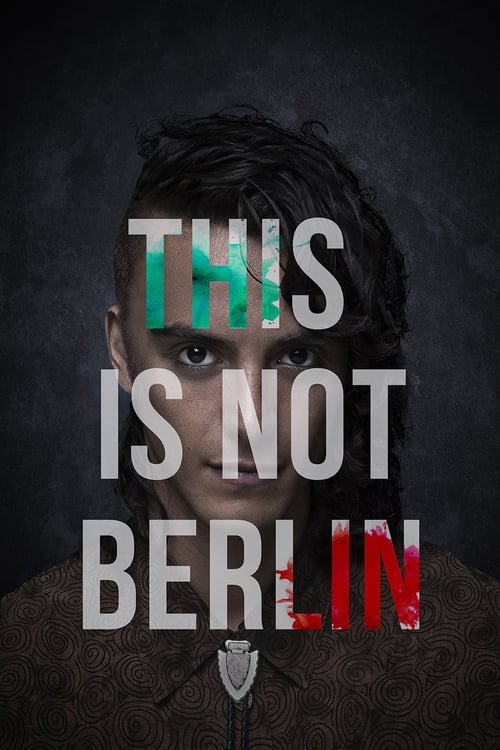
This Is Not Berlin
In the 1980s, an outsider gets invited to a mythical nightclub where he's unleashed to punk, sexual liberty and drugs. Seventeen-year-old Carlos doesn't fit in anywhere, not in his family nor with the friends he has chosen in school. But everything changes when he is invited to a mythical nightclub where he discovers the underground nightlife scene: punk, sexual liberty and drugs. —Production Questioning his role within the soul thieving conformity of mid-'80s Mexico City, 17-year-old Carlos is loath to participate in adolescent machismo antics, preferring instead to tinker with electronics while listening to classic rock. He has a kindred spirit and best friend in Gera and a burgeoning infatuation with Gera's untouchably cool sister Rita, an artist at ease with her outsider status. When Rita invites them to see her band at infamous avant-garde club the Aztec, they're introduced to an uninhibited world of performance art, edgy music, and sexual fluidity-welcome counteragents to two-fisted teen politics and the imminent threat of adulthood. Inspired by club owner and progressive artist Nico, wide-eyed Carlos experiments with identity politics, tasting the forbidden fruits of hedonism at the expense of Gera's devotion. —Mae Moreno Mexico City, 1986: While half of Mexico eagerly awaits the World Cup, 17-year-old Carlos remains an outsider at school. It is only when his best friend Gera introduces him to the legendary Club Azteca that Carlos discovers the wild underground scene-a world full of parties, art, excess, and sexual freedom. Here he experiences a joyful escape from his restrictive circumstances and begins to question his relationship with Gera. Hari Sama tells a captivating and musical story of coming of age in times of upheaval - and of the formation of a queer community in 1980s Mexico. The young actors bring the artistic rebellion and ambivalence of that era to life with furious energy. —ARD
This Is Not Berlin
Drama
Film Details
In the 1980s, an outsider gets invited to a mythical nightclub where he's unleashed to punk, sexual liberty and drugs. Seventeen-year-old Carlos doesn't fit in anywhere, not in his family nor with the friends he has chosen in school. But everything changes when he is invited to a mythical nightclub where he discovers the underground nightlife scene: punk, sexual liberty and drugs.
—Production Questioning his role within the soul thieving conformity of mid-'80s Mexico City, 17-year-old Carlos is loath to participate in adolescent machismo antics, preferring instead to tinker with electronics while listening to classic rock. He has a kindred spirit and best friend in Gera and a burgeoning infatuation with Gera's untouchably cool sister Rita, an artist at ease with her outsider status. When Rita invites them to see her band at infamous avant-garde club the Aztec, they're introduced to an uninhibited world of performance art, edgy music, and sexual fluidity-welcome counteragents to two-fisted teen politics and the imminent threat of adulthood.
Inspired by club owner and progressive artist Nico, wide-eyed Carlos experiments with identity politics, tasting the forbidden fruits of hedonism at the expense of Gera's devotion. —Mae Moreno Mexico City, 1986: While half of Mexico eagerly awaits the World Cup, 17-year-old Carlos remains an outsider at school. It is only when his best friend Gera introduces him to the legendary Club Azteca that Carlos discovers the wild underground scene-a world full of parties, art, excess, and sexual freedom.
Here he experiences a joyful escape from his restrictive circumstances and begins to question his relationship with Gera. Hari Sama tells a captivating and musical story of coming of age in times of upheaval - and of the formation of a queer community in 1980s Mexico. The young actors bring the artistic rebellion and ambivalence of that era to life with furious energy.
—ARD.