


Warrior Women
Warrior Women chronicles the lifelong work of Madonna Thunder Hawk and Marcy Gilbert, a Lakota mother and daughter whose fight for Indigenous rights began in the late 1960's. Through their story, we w…
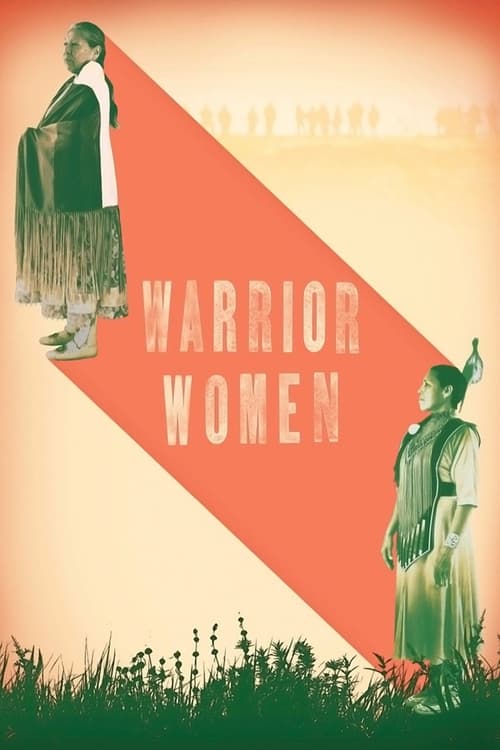
Warrior Women
Warrior Women chronicles the lifelong work of Madonna Thunder Hawk and Marcy Gilbert, a Lakota mother and daughter whose fight for Indigenous rights began in the late 1960's. Through their story, we will witness the emergence of Native ecological sovereignty as two of the Movement's most determined and overlooked organizers lived it. The women of the American Indian Movement fight from a vulnerable place only matriarchs can understand. For them, the Movement is a battle for their children and the culture they hope to preserve for them. Through contemporary interviews, rare archival materials, and exclusive verité, we will experience Madonna Thunder Hawk's dedication to Red Power - a commitment that often left her daughter Marcy feeling more like her 'comrade' than her child. A story of the emergence of modern Native sovereignty and the complexities of mother/daughter relationships, Warrior Women also explores themes of Native identity, legacy, intergenerational trauma, and strategies of resistance among Native people. Back in the 1950s, Madonna's home was destroyed when the Missouri River was dammed by the Army Corps of Engineers to create Lake Oahe on the Cheyenne River and Standing Rock Indian reservations. The intentional flooding left poverty, violence, and dislocation in its wake. As a young woman she takes on the role of protector, exacting revenge on a local rancher's son who had raped not only her close friend, but many local Native women. Madonna would grow up to channel her anger and pain into a fierce, unwavering dedication to activism. 'Home' would be wherever the fight for Indigenous rights took her. Leaving the reservation in the 1960s, she moves to San Francisco with other Native folks on the U.S. government's latest assimilation program called 'Relocation' - a plan to get Indians into cities and open up reservation land for further exploitation. The Bay Area explodes with radical activism where Madonna learns the powerful skill of community organizing and participates in occupations from Alcatraz to Mount Rushmore. In these acts of retaking stolen land and creating Native value-based communities she and her family experience a true freedom - even in the face of extreme government and societal opposition. Marcy was an athletic, sensitive child living in a boarding school when her mother left to join AIM. She has struggled to reconcile the image of Madonna as an activist with the idea of her as a maternal figure. Marcy grappled with her mother's absence, but also wanted to follow in her substantial footsteps. She got her wish when Madonna established the first survival school in South Dakota known as the "We Will Remember Survival School" and brought Marcy and dozens of other AIM children on the road with her. This rag-tag group of kids flourished with the promise of learning a new world order of Native Pride but also struggled under the pressure of changing the world. Their 'lessons' at Survival School included sessions about the earth and the environment that were tied to their day-to-day lives. In rare archival footage, on the banks of the Missouri as part of the summer meeting for the International Indian Treaty Council, we see Madonna leading the survival school kids in a group discussion about tribal sovereignty and natural resources. They are camped there as part of annual gathering that began in 1974 on the Standing Rock reservation. Madonna's eleven-year-old son, Phillip, thoughtfully responds that they have to use the treaty to "stop the white man from taking the natural resources and taking our water." Fast forward forty years later, we come full circle back to Standing Rock in the Lakota homelands with Madonna and Marcy still at the forefront of Native resistance as they occupy and protect the water of the Missouri River from the "Black Snake" of the Dakota Access Pipeline in 2016. They staff supply tents, stand against water cannons during militarized police attacks, and share knowledge with the next generation of organizers who show up in the thousands chanting the Lakota rallying cry - "Mni Wiconi!" or "Water is life!" Through the eyes of these two Lakota women, we see a female perspective on a crucial chapter in our history, one that sparks questions about what it is to be mother and warrior; what it means to grow up in the shadow of fierce activism, and how activist legacies are passed down from generation to generation. In Warrior Women, we come to understand, through the deeply personal story of Madonna and Marcy, that activism is not just a news story, a protest or a march; it is woven in the fabric of the lives we lead.
Warrior Women
Documentary,History
Film Details
Warrior Women chronicles the lifelong work of Madonna Thunder Hawk and Marcy Gilbert, a Lakota mother and daughter whose fight for Indigenous rights began in the late 1960's. Through their story, we will witness the emergence of Native ecological sovereignty as two of the Movement's most determined and overlooked organizers lived it. The women of the American Indian Movement fight from a vulnerable place only matriarchs can understand.
For them, the Movement is a battle for their children and the culture they hope to preserve for them. Through contemporary interviews, rare archival materials, and exclusive verité, we will experience Madonna Thunder Hawk's dedication to Red Power - a commitment that often left her daughter Marcy feeling more like her 'comrade' than her child. A story of the emergence of modern Native sovereignty and the complexities of mother/daughter relationships, Warrior Women also explores themes of Native identity, legacy, intergenerational trauma, and strategies of resistance among Native people.
Back in the 1950s, Madonna's home was destroyed when the Missouri River was dammed by the Army Corps of Engineers to create Lake Oahe on the Cheyenne River and Standing Rock Indian reservations. The intentional flooding left poverty, violence, and dislocation in its wake. As a young woman she takes on the role of protector, exacting revenge on a local rancher's son who had raped not only her close friend, but many local Native women.
Madonna would grow up to channel her anger and pain into a fierce, unwavering dedication to activism. 'Home' would be wherever the fight for Indigenous rights took her. Leaving the reservation in the 1960s, she moves to San Francisco with other Native folks on the U.S.
government's latest assimilation program called 'Relocation' - a plan to get Indians into cities and open up reservation land for further exploitation. The Bay Area explodes with radical activism where Madonna learns the powerful skill of community organizing and participates in occupations from Alcatraz to Mount Rushmore. In these acts of retaking stolen land and creating Native value-based communities she and her family experience a true freedom - even in the face of extreme government and societal opposition.
Marcy was an athletic, sensitive child living in a boarding school when her mother left to join AIM. She has struggled to reconcile the image of Madonna as an activist with the idea of her as a maternal figure. Marcy grappled with her mother's absence, but also wanted to follow in her substantial footsteps.
She got her wish when Madonna established the first survival school in South Dakota known as the "We Will Remember Survival School" and brought Marcy and dozens of other AIM children on the road with her. This rag-tag group of kids flourished with the promise of learning a new world order of Native Pride but also struggled under the pressure of changing the world. Their 'lessons' at Survival School included sessions about the earth and the environment that were tied to their day-to-day lives.
In rare archival footage, on the banks of the Missouri as part of the summer meeting for the International Indian Treaty Council, we see Madonna leading the survival school kids in a group discussion about tribal sovereignty and natural resources. They are camped there as part of annual gathering that began in 1974 on the Standing Rock reservation. Madonna's eleven-year-old son, Phillip, thoughtfully responds that they have to use the treaty to "stop the white man from taking the natural resources and taking our water." Fast forward forty years later, we come full circle back to Standing Rock in the Lakota homelands with Madonna and Marcy still at the forefront of Native resistance as they occupy and protect the water of the Missouri River from the "Black Snake" of the Dakota Access Pipeline in 2016.
They staff supply tents, stand against water cannons during militarized police attacks, and share knowledge with the next generation of organizers who show up in the thousands chanting the Lakota rallying cry - "Mni Wiconi!" or "Water is life!" Through the eyes of these two Lakota women, we see a female perspective on a crucial chapter in our history, one that sparks questions about what it is to be mother and warrior; what it means to grow up in the shadow of fierce activism, and how activist legacies are passed down from generation to generation. In Warrior Women, we come to understand, through the deeply personal story of Madonna and Marcy, that activism is not just a news story, a protest or a march; it is woven in the fabric of the lives we lead..